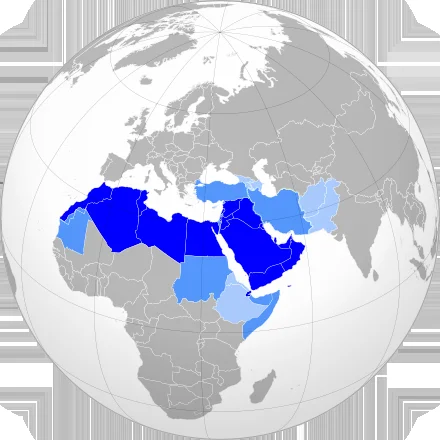
Iran's warning that it could target US technology infrastructure in the Gulf has sent ripples through global markets, raising concerns over potential digital disruptions that could impact businesses and economies worldwide.
Economic Tensions Escalate
The announcement by Iran comes at a time when economic tensions in the Middle East are already high, with ongoing disputes over oil prices and geopolitical rivalries. This new threat adds another layer of complexity to the region’s economic landscape, potentially disrupting trade flows and investor confidence. The Gulf region is a crucial hub for global commerce, and any instability there can have far-reaching effects on international finance and supply chains.

Digital Infrastructure at Risk
US tech infrastructure in the Gulf is vital for numerous multinational corporations and financial institutions. These assets include data centers, telecommunications networks, and cloud computing facilities that support critical operations across various industries. If these targets were to be compromised, it could lead to significant operational disruptions, affecting everything from stock market transactions to e-commerce platforms. Such an event would likely cause volatility in global financial markets as investors reassess risk levels and adjust their portfolios accordingly.
Investor Anxiety Mounts

In response to the Iranian threat, investors have shown increased anxiety about the stability of the Gulf region. This has led to a rise in safe-haven assets such as gold and the US dollar, while risky assets like emerging market equities have seen some selling pressure. The uncertainty created by this development means that investors may become more cautious in their approach to Middle Eastern investments, favouring companies with robust risk management strategies and diversified operations.
Business Implications
For businesses operating in or reliant upon the Gulf, the potential for digital disruptions poses both challenges and opportunities. Companies that have invested heavily in robust cybersecurity measures and backup systems will be better positioned to weather any immediate impacts. However, those without such protections may face significant operational hurdles if critical services are disrupted. Moreover, the heightened risk environment might encourage businesses to seek out alternative locations or diversify their regional presence to mitigate future risks.
Global Market Reactions
The news from Iran has caused a stir in global markets, with particular attention paid to the technology and financial sectors. Stock exchanges around the world have seen fluctuations in key indices, reflecting the broader nervousness among traders and analysts. In addition to direct impacts on Gulf-based companies, there is also concern about the ripple effects on related industries, such as logistics, manufacturing, and retail. These interconnected sectors rely on smooth functioning of digital systems, making them vulnerable to any disruptions in the Gulf.
Looking Ahead
As the situation continues to develop, market participants will closely watch for further signals from Iran and the United States. Any indication of de-escalation or diplomatic progress could help to calm investor nerves and stabilize markets. Conversely, a more confrontational stance could lead to heightened volatility and renewed focus on risk management strategies. The outcome of this latest tension in the Gulf will not only shape the near-term prospects for regional economies but also influence global economic trends in the coming months.