The recent escalation of tensions between the United States and Israel, combined with the rise of Iran as a regional power, has sent shockwaves through Nigeria’s energy sector, leading to significant disruptions in the country’s oil production and export capabilities.
Iran's Ascendancy Challenges Global Energy Dynamics
The phenomenon known as "Iran Rising" has been marked by Tehran’s increased assertiveness on the international stage, particularly in its control over energy resources. This shift has not only affected the Middle East but also had ripple effects across Africa, including Nigeria. Iran's strategic position as a major oil producer and its proximity to key shipping routes have given it considerable leverage over global energy markets.
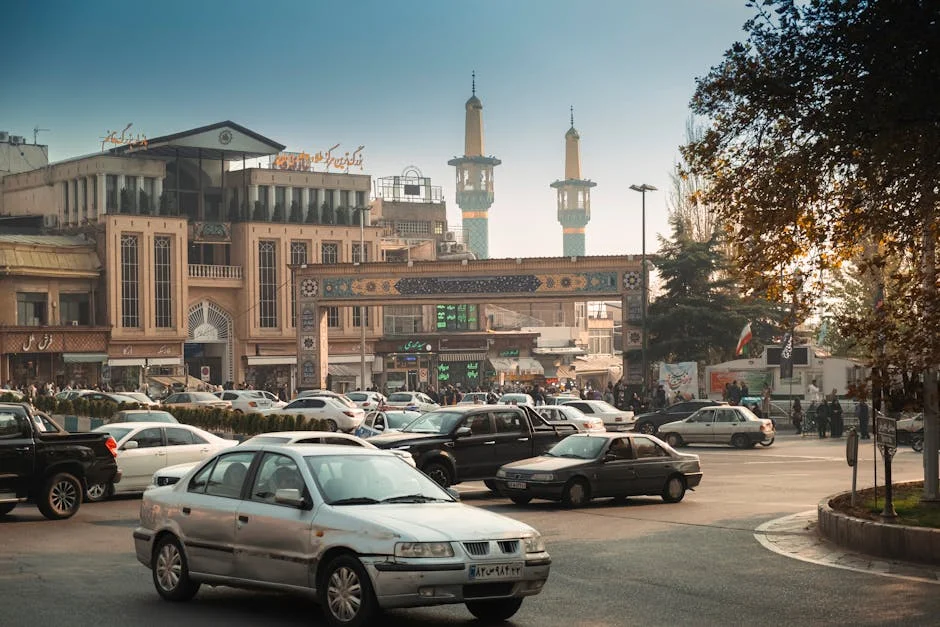
As Iran strengthens its influence, it has become more competitive with other oil-producing nations, including Nigeria. This competition has led to price fluctuations and supply chain disruptions, which are crucial factors in Nigeria’s economy, given the country’s heavy reliance on oil exports.
Nigeria's Oil Sector Takes a Hit
Nigeria, one of the largest oil producers in Africa, saw its oil sector face challenges as a result of Iran’s growing influence. The country's oil production levels dropped significantly in the last quarter, with exports falling below expected levels. This decline was attributed to both internal issues such as infrastructure problems and external pressures from global energy dynamics influenced by Iran.
According to the Nigerian National Petroleum Corporation, the drop in oil production has led to a reduction in government revenues, impacting the ability to fund essential services and infrastructure projects. This has raised concerns among investors and economists about Nigeria’s economic stability in the coming months.
Global Markets React to Shifting Dynamics
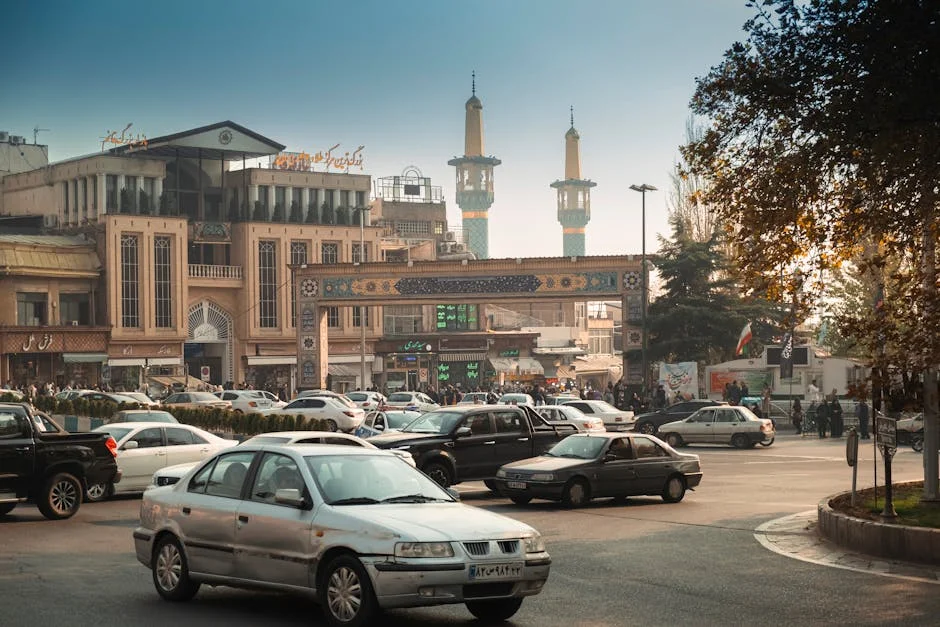

The impact of Iran’s rising influence on the global energy market has been felt strongly, with stock prices of oil companies fluctuating based on geopolitical developments. The US-Israel tensions in Iran have added another layer of complexity, causing some investors to reassess their positions in African and Middle Eastern markets.
Financial analysts predict that the continued volatility in Iran could lead to further adjustments in global oil prices, potentially affecting the profitability of Nigerian oil exports. This scenario could have long-term implications for Nigeria’s economy, as it seeks to diversify its sources of revenue beyond oil.
Economic Implications for Nigeria and Beyond
The economic impact of Iran’s ascendancy and the concurrent tensions in the region extend beyond Nigeria’s borders. Other African countries that rely on oil exports, such as Angola and Equatorial Guinea, may also experience similar challenges in maintaining steady production and pricing.
In addition to the direct effects on oil production and trade, there are broader implications for Nigeria’s economy. The reduced government revenue from oil sales could mean less funding for social programs and public works, potentially slowing down the pace of development in certain sectors. Moreover, the uncertainty created by global energy dynamics could deter foreign investment in Nigeria, hampering its efforts to grow and diversify its economy.
Looking Ahead: What to Watch Next
Investors and economists will closely monitor the situation in Iran and its impact on global energy markets. The resolution of US-Israel tensions in the region and the stability of Iran’s leadership will play a critical role in determining the future direction of Nigeria’s oil sector and its broader economic prospects.
Furthermore, Nigeria’s ability to adapt to changing global conditions and diversify its economy will be key to mitigating the effects of Iran’s rising influence. The upcoming budget cycle and policy decisions made by the Nigerian government will provide important indicators of how the country plans to navigate these challenges and secure a stable economic future.
Frequently Asked Questions
What is the latest news about iran rising slams nigerias energy sector as usisrael tensions escalate?
The recent escalation of tensions between the United States and Israel, combined with the rise of Iran as a regional power, has sent shockwaves through Nigeria’s energy sector, leading to significant disruptions in the country’s oil production and ex
Why does this matter for politics-governance?
This shift has not only affected the Middle East but also had ripple effects across Africa, including Nigeria.
What are the key facts about iran rising slams nigerias energy sector as usisrael tensions escalate?
As Iran strengthens its influence, it has become more competitive with other oil-producing nations, including Nigeria.