Floating fish factories have been plundering the 'Galápagos of West Africa' – Bubaque – according to recent reports. The impact of this activity is significant, not just for the local ecosystem but also for the broader global fishing industry and economies.
The Plunder of Bubaque
Bubaque, a small island located off the coast of Guinea-Bissau, has long been known for its rich marine biodiversity. This unique environment has earned it the nickname 'Galápagos of West Africa.' However, in recent years, floating fish factories, primarily operated by foreign companies, have been extracting large quantities of fish from the surrounding waters, putting immense pressure on local marine resources.
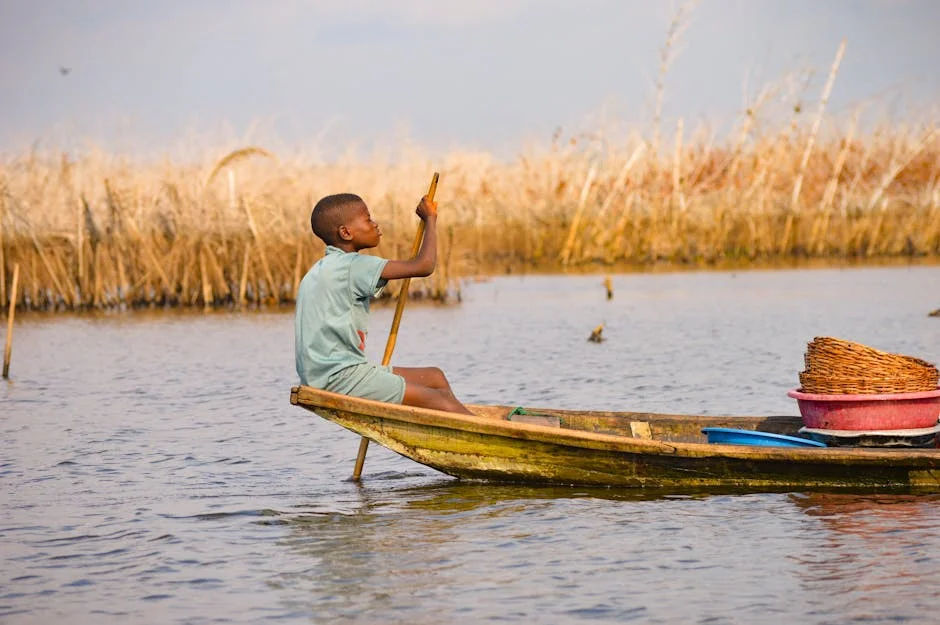
Local residents, such as Pedro Luis Pereira, a fisherman from nearby Bissau, have expressed concern about the impact on their traditional livelihoods. “We’ve seen our catches drop significantly over the past few years,” says Pereira. “The big boats come in and take everything.”
Economic and Market Reactions
The presence of floating fish factories has not only affected the local fishing communities but also had broader economic implications. These factories often operate under international agreements that allow them access to waters rich in fish stocks, contributing to global seafood supply chains. However, this also means that local fishermen face increased competition and reduced opportunities for sustainable income generation.
According to a report by the Food and Agriculture Organization (FAO), the global seafood market is expected to grow steadily, driven by increasing demand in Asia and Europe. The operations of floating fish factories in Bubaque could influence this growth, potentially affecting prices and availability in global markets.
Business Implications for Fishing Companies


The activities of the floating fish factories highlight the importance of sustainable practices in the fishing industry. Companies operating these factories need to balance their profit-making goals with environmental conservation efforts to ensure the long-term viability of their operations. This requires careful management of fish stocks and adherence to quotas set by international bodies.
Moreover, the success of these factories can attract further investment into the region, benefiting local businesses and creating new opportunities for economic development. However, if mismanaged, they can lead to overfishing and depletion of marine resources, negatively impacting both local communities and global supply chains.
Investment Perspective and Future Outlook
For investors in the fishing and seafood sectors, the situation in Bubaque offers both challenges and opportunities. On one hand, the rich marine resources around the island present potential for profitable fishing operations. On the other hand, the need for sustainable practices poses risks, as companies may face regulatory pressures or market fluctuations due to changes in fish stock levels.
Looking ahead, continued monitoring of fish populations and effective management of fishing activities will be crucial for maintaining the ecological balance and ensuring the long-term success of the fishing industry in Bubaque and beyond.
Consequences and What to Watch Next
The ongoing operations of floating fish factories in Bubaque have significant implications for local and global economies. As fish stocks continue to be harvested at current rates, there is a risk of overexploitation, which could lead to decreased catches and economic hardship for local communities. Conversely, if managed sustainably, these fisheries could provide a stable source of income and food security for years to come.
Investors and businesses should keep an eye on regulatory changes and scientific assessments of fish populations to understand the future prospects of the area. Additionally, developments in technology and fishing methods may offer new opportunities for efficient and sustainable harvesting, benefiting both local and global markets.