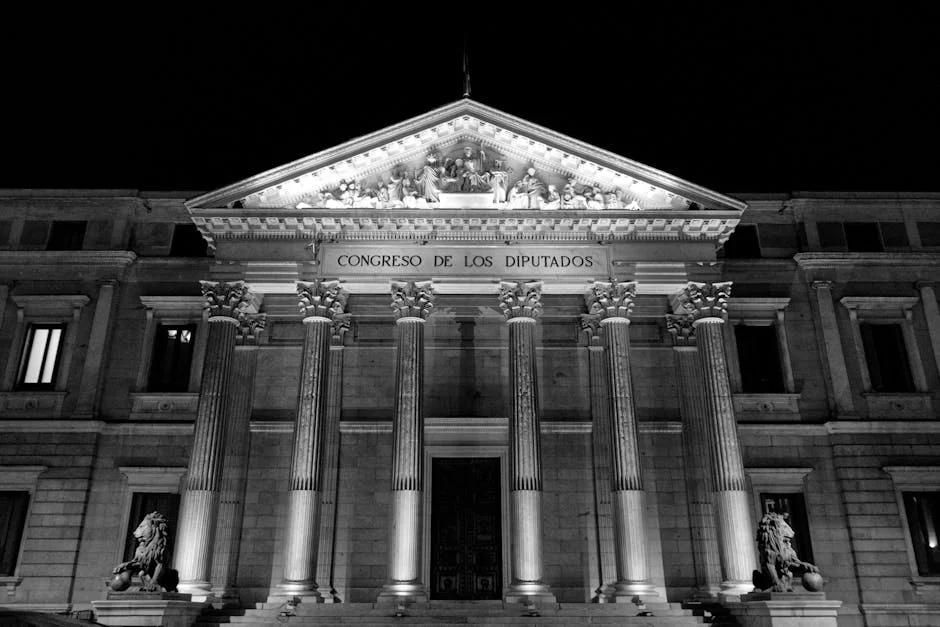
The European Council has extended sanctions against Russian individuals and entities for six months, a move that could have significant ripple effects on global markets, particularly those closely tied to European and Russian economies.
Economic Tensions Persist As Sanctions Linger
The decision by the European Council to prolong sanctions against Russia highlights ongoing tensions between the two regions. These measures, first imposed in 2014 following Russia's annexation of Crimea, have remained in place despite periodic discussions about easing them.
The extension of these sanctions is likely to impact not just Russia, but also European businesses that trade extensively with the country. This includes major sectors such as energy, manufacturing, and finance.
Russian Economy Takes A Hit
The continued presence of sanctions is expected to dampen economic growth in Russia. The restrictions limit access to international capital and technology, which are crucial for many Russian industries. According to recent estimates, the Russian economy could see further contraction due to these constraints.
Moreover, the prolonged nature of these sanctions has led to a devaluation of the ruble, affecting the purchasing power of Russian citizens and making imports more expensive.
European Businesses Face Challenges
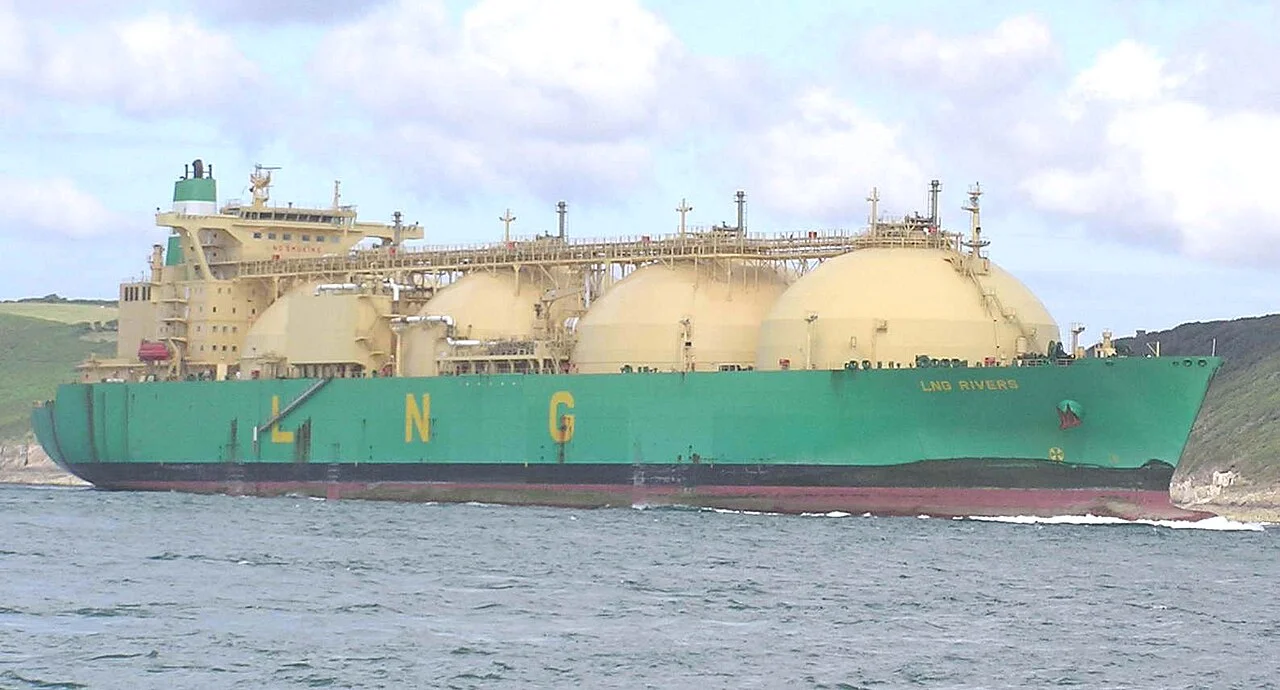
For European companies, the extension of sanctions poses both challenges and opportunities. On one hand, it limits their ability to do business in Russia, potentially reducing profits from this market. On the other hand, it can encourage innovation and diversification as companies look for new ways to operate within the existing framework.
Some European firms have already begun to shift their focus towards alternative markets in Asia and the Middle East, where there is growing demand for their products and services.
Investor Sentiment And Market Reactions
The news of extended sanctions has been met with mixed reactions from investors. While some view it as a sign of continued geopolitical uncertainty, others see it as an opportunity to invest in undervalued assets in Russia.
Financial analysts predict that the impact on global stock markets will be moderate, with the main effects felt in the energy and commodities sectors. The price of oil, for instance, may experience some volatility due to the ongoing tensions between Europe and Russia.
Looking Ahead: What To Watch Next
In the coming months, attention will turn to how Russia responds to the sanctions and whether there are any significant changes in its relationship with the European Union. Diplomatic efforts and potential negotiations could alter the current landscape.
Additionally, the performance of the Russian ruble and the overall health of the Russian economy will be key indicators to watch, as they could influence future decisions regarding sanctions and trade relations.
Frequently Asked Questions
What is the latest news about eu extends russia sanctions for six months what it means for global markets?
The European Council has extended sanctions against Russian individuals and entities for six months, a move that could have significant ripple effects on global markets, particularly those closely tied to European and Russian economies.
Why does this matter for economy-business?
These measures, first imposed in 2014 following Russia's annexation of Crimea, have remained in place despite periodic discussions about easing them.
What are the key facts about eu extends russia sanctions for six months what it means for global markets?
This includes major sectors such as energy, manufacturing, and finance.