The United States and Israel launched a major offensive against Iran on Friday, striking over 15,000 targets within the country. This significant military action, announced by the Pentagon, has sent shockwaves through global financial markets and raised questions about its impact on international trade and business.
Economic Repercussions in Global Markets
The immediate effect of the US and Israeli strikes was a sharp fluctuation in global stock markets. Investors reacted with caution, selling off shares in energy and technology sectors, which are particularly sensitive to geopolitical tensions. By midday trading on Friday, the Dow Jones Industrial Average had dropped by nearly 2%, while the Nasdaq Composite experienced a dip of around 1.5%. Analysts predict that if the conflict escalates further, it could lead to increased volatility in the short term, but also potential opportunities for savvy investors to capitalize on market dips.

Impact on International Trade and Business
The military action has cast uncertainty over international trade routes and supply chains that pass through the Persian Gulf. Shipping companies and logistics firms operating in the region have reported delays and higher costs as they navigate the new risks posed by the conflict. Additionally, the oil and gas sector is closely watching how this development will affect crude prices, given Iran's strategic importance as an oil producer. Experts anticipate that any disruption to the flow of oil from the Middle East could push up fuel costs globally, impacting both consumers and businesses.
Investor Sentiment and Market Reactions
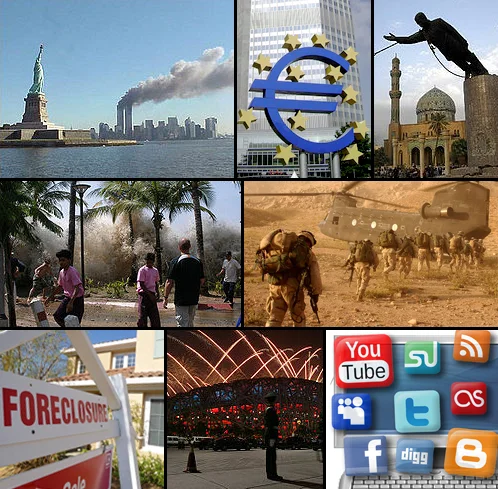

In the days following the announcement, investor sentiment was cautious but not overwhelmingly negative. Many traders saw this as a buying opportunity, especially in sectors that had been underperforming due to geopolitical concerns. Financial analysts noted that while there was initial panic selling, the market quickly stabilized as investors reassessed the situation. The overall mood among traders was one of wait-and-see, with a keen eye on how events unfold in the coming weeks.
Business Implications for Energy Companies
For energy companies, the strikes present both challenges and opportunities. On one hand, the risk of supply disruptions means that there could be volatility in the price of crude oil, which affects profitability for refineries and distributors. On the other hand, some companies may see this as a chance to strengthen their market position or secure long-term contracts at favorable rates. Oil majors such as ExxonMobil and Chevron have already begun to factor in these variables when making investment decisions for the next fiscal year.
Future Outlook for the Economy
Looking ahead, economists believe that the long-term impact of the strikes on the US and global economies will depend largely on how extensively the conflict spreads. If the fighting remains contained, the effects on growth and employment could be relatively minor. However, if the situation escalates into a wider regional war, it could have significant repercussions for global trade and financial stability. Central banks, including the Federal Reserve, are likely to monitor the situation closely, potentially adjusting monetary policy to support economic growth in the face of rising uncertainty.
Defense Secretary’s Statement
In his statement, Defense Secretary Pete Hegseth emphasized that the strikes were intended to weaken Iran’s military capabilities and deter further aggression. He added that the United States remains committed to protecting its allies and maintaining peace in the Middle East. While this provides some clarity on the strategic goals of the US, it leaves open the possibility of continued tension in the region, which could influence market conditions and business operations in the months to come.