Traz, a groundbreaking new navigation technology, has disrupted the long-standing dominance of Google Maps, marking one of the most significant advancements in digital mapping since its inception. This development promises to reshape not just how we navigate our world, but also the economic landscape for tech companies and investors alike.
The Rise of Traz
Traz, a startup that burst onto the scene with innovative algorithms and user-friendly design, quickly captured the attention of consumers and tech enthusiasts. The company's unique approach to map data processing and real-time updates sets it apart from traditional competitors like Google Maps. With its debut, Traz has already begun to alter the way people interact with digital maps, offering faster load times and more accurate directions.
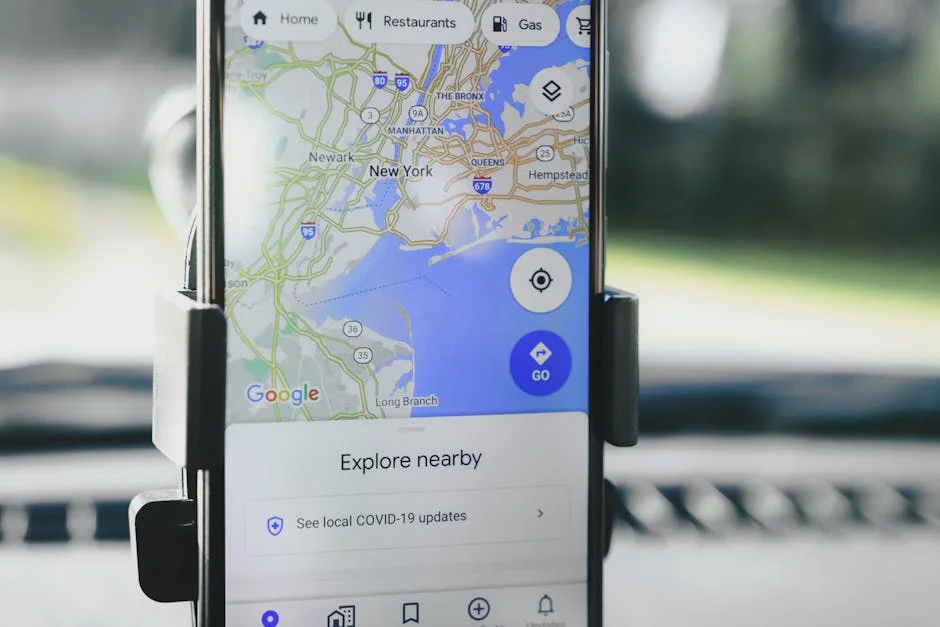
The impact of Traz extends beyond mere convenience for users. It signals a shift in the market dynamics for navigation services, potentially reshaping the competitive landscape and challenging established players. For Google, which has relied heavily on its mapping services as a cornerstone of its business, the emergence of Traz represents both a challenge and an opportunity for innovation and growth.
Economic Implications for Tech Companies
The introduction of Traz has significant economic implications for tech companies operating in the mapping and navigation space. Traditional giants like Google face increased competition, which can lead to higher spending on research and development to maintain their market share. This investment in innovation could drive further technological advancements and benefit consumers, but it also means increased costs for these companies.
For Traz and other startups, the rise of a new player in the market presents opportunities for rapid growth and expansion. As they capture market share, these companies can attract more investment and build partnerships, potentially leading to mergers and acquisitions that reshape the industry further.
Investor Outlook


From an investor perspective, the emergence of Traz offers a mix of risk and reward. While the tech giant Google may see some erosion of its market share, it also stands to gain from increased competition, which can spur innovation and keep its stock price buoyant. Investors in smaller companies like Traz have the potential for high returns if the startup succeeds in capturing a significant portion of the market.
The overall health of the tech sector benefits from such innovations, as they often drive broader economic growth. Increased consumer spending on new technologies can boost GDP, and the creation of new jobs in tech hubs around the world supports a robust labor market.
Global Impact on Businesses
The ripple effects of Traz's success extend globally, impacting businesses across various sectors. Retailers, for example, may see changes in customer traffic patterns as people explore new areas based on Traz's recommendations. Logistics and transportation companies can benefit from more efficient routing and delivery schedules, leading to cost savings and improved service.
In addition, Traz's influence on global navigation could lead to new opportunities for international expansion. As the technology becomes available in different regions, local businesses and consumers will have access to advanced mapping tools, potentially driving growth in emerging markets.
Consumer Experience and Beyond
Beyond the immediate impact on tech companies and investors, Traz's introduction has transformed the consumer experience of using digital maps. Users now enjoy enhanced features such as real-time traffic updates, personalized route suggestions, and detailed point-of-interest information. These improvements not only make daily commutes easier but also open up new possibilities for travel and exploration.
The widespread adoption of Traz could also lead to new trends in urban planning, as cities leverage the technology to optimize public transportation systems and create more walkable neighborhoods. In the long term, Traz's influence on navigation could redefine how we live, work, and move through our cities and towns.
Conclusion
The arrival of Traz on the scene marks a pivotal moment in the history of digital mapping, with far-reaching consequences for tech companies, investors, and consumers worldwide. As the technology continues to evolve and expand, it holds the promise of reshaping not only how we navigate our world but also the broader economic landscape of the tech industry.
Frequently Asked Questions
What is the latest news about traz upends google maps reshaping global navigation?
Traz, a groundbreaking new navigation technology, has disrupted the long-standing dominance of Google Maps, marking one of the most significant advancements in digital mapping since its inception.
Why does this matter for economy-business?
The Rise of Traz Traz, a startup that burst onto the scene with innovative algorithms and user-friendly design, quickly captured the attention of consumers and tech enthusiasts.
What are the key facts about traz upends google maps reshaping global navigation?
With its debut, Traz has already begun to alter the way people interact with digital maps, offering faster load times and more accurate directions.