Swiss glaciers recorded a disastrous year of ice loss, marking a sharp acceleration in melting that threatens regional water supplies. Scientists confirm that this rapid decline is no longer surprising given the established pace of global climate change.
Confirmed Ice Loss and Water Supply Risks
The Swiss Federal Institute of Technology and the University of Zurich reported that the nation lost an average of two meters of ice thickness across its glaciers last year. This measurement represents a significant portion of the total volume remaining in the Alpine region. The data confirms that the rate of melting is accelerating rather than stabilizing. Water authorities are now monitoring reservoir levels with increased scrutiny. The loss of this frozen reservoir directly impacts the reliability of downstream water sources.
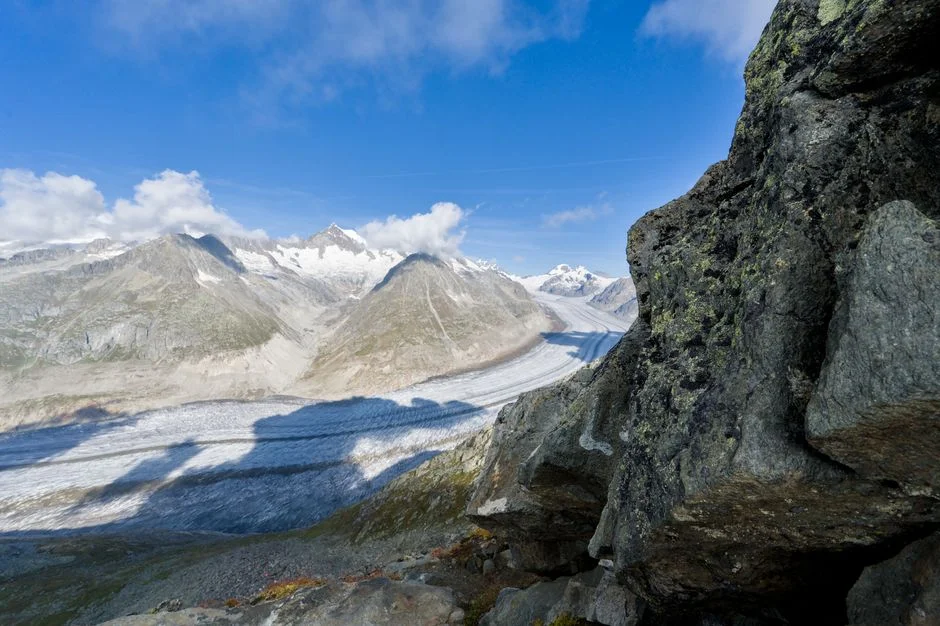
Scientists emphasize that the current trajectory aligns with long-term climate models. The rapid melting is not an anomaly but a predictable outcome of rising temperatures. This development highlights the vulnerability of high-altitude water storage systems. Communities relying on glacial runoff for agriculture and hydroelectric power face immediate adjustments. The Swiss government must now account for these changing hydrological patterns in national planning.
The environmental update from Swiss institutions provides clear evidence of warming trends. These findings are relevant to understanding how Swiss developments explained in recent years are contributing to broader ecological shifts. The loss of ice volume reduces the natural buffer against summer heatwaves. This creates a feedback loop where less ice leads to higher local temperatures. The resulting heat further accelerates the melting process.
International observers are tracking these changes closely. The Swiss environment update serves as a barometer for global climate health. Other mountainous regions are likely to experience similar patterns. The data suggests that current warming levels are already sufficient to trigger irreversible changes in glacier mass balance. This confirms that the window for preventing further loss is narrowing.
Broader Implications and Future Monitoring
The disaster in the Swiss Alps has wider implications for global climate stability. The melting glaciers release stored water into river systems, altering flow rates. This affects hydroelectric generation, which is a cornerstone of Swiss energy infrastructure. The energy sector must adapt to more variable water availability. This shift in energy production could influence broader European energy markets.
Scientists note that the pace of change is outstripping previous predictions. The rapid loss of ice volume indicates that warming is occurring faster than anticipated. This challenges existing models of glacier behavior. Researchers are now revising their projections for future ice loss. The updated models will likely show even steeper declines in the coming decades.
The environmental impact extends beyond water supply. Glacial melt affects local ecosystems and biodiversity. Species adapted to cold environments are losing their habitats. This loss of biodiversity has broader ecological consequences. The Swiss experience offers a preview of what other mountain regions may face.
Looking ahead, the focus will be on monitoring the rate of loss. Scientists will continue to track ice volume and thickness. The data will inform policy decisions regarding water management and energy production. The Swiss government will need to allocate resources to adapt to these changes. The coming years will be critical for determining the long-term viability of glacial systems.
See Also
- NASA Unveils Moon Base Designs — US Lunar Ambitions Intensify
- South Africa Expels 8,000 Foreign Nationals Ahead of June 30 Deadline
The data suggests that current warming levels are already sufficient to trigger irreversible changes in glacier mass balance. The rapid loss of ice volume indicates that warming is occurring faster than anticipated.
What is the latest news about swiss glaciers suffer disastrous ice loss scientists warn?
Why does this matter for agriculture-food?
What are the key facts about swiss glaciers suffer disastrous ice loss scientists warn?