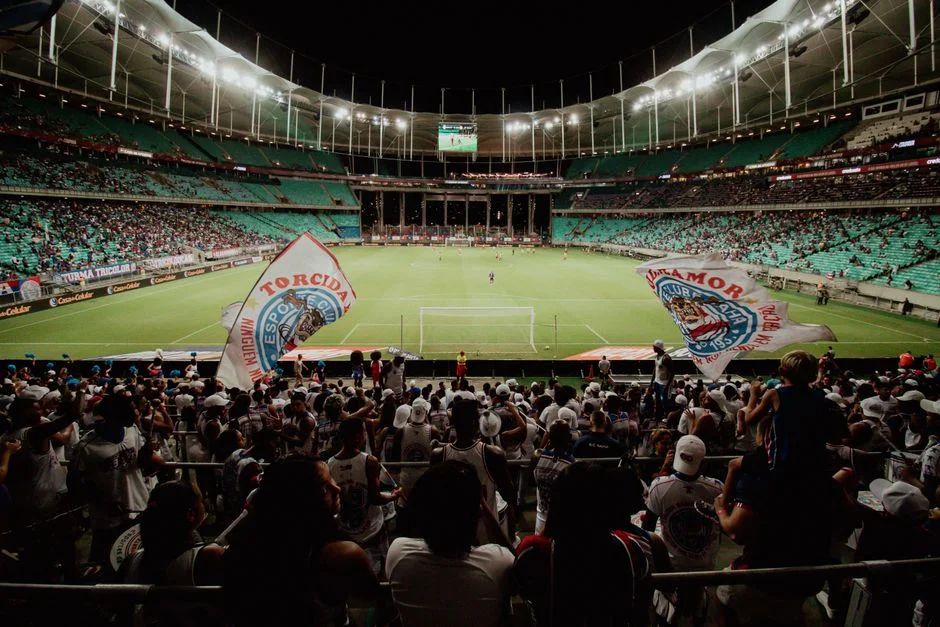
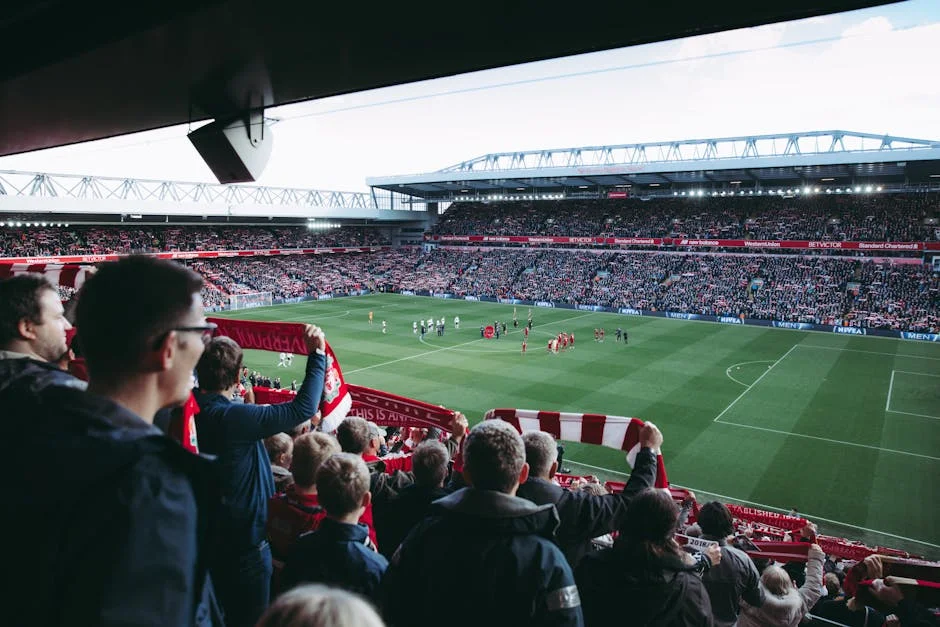
Thousands of fans clad in yellow and green mingled with supporters waving blue and red flags outside Lincoln Financial Field in Philadelphia on match day, creating an unexpected scene of shared celebration after Brazil's World Cup victory. The post-match gathering drew fans from two nations separated by thousands of miles and vastly different footballing cultures, yet united by their passion for the sport.
A Stadium Becomes Common Ground
Lincoln Financial Field, home of the NFL's Philadelphia Eagles, opened its doors to World Cup fans for the group stage matches held in the United States. The venue, with a seating capacity exceeding 69,000, transformed into a rare meeting point where supporters of Brazil and Haiti found themselves celebrating side by side. Security personnel at the stadium reported smooth operations throughout the evening, with fans moving freely between designated fan zones.

The gathering marked one of the more unusual fan demographics seen at this World Cup cycle. Organizers had initially anticipated separate sections for each national team support, but the spontaneous mixing of fan groups prompted adjustments to the crowd management plan. Volunteers distributed water and snacks to fans who had arrived hours before kickoff to secure viewing positions near the stadium's main entrance.
Football's Unifying Power on Display
For many Haitian fans attending the match, the experience carried deeper significance than a simple sporting event. The Caribbean nation has faced significant challenges in recent years, and opportunities for national celebration have been rare. Several fans interviewed outside the stadium said the chance to witness Brazil play live, even cheering alongside Brazilian supporters, represented a moment of collective joy they had not expected to share in person.
Brazilian fans, accustomed to their team's global dominance, welcomed the unusual alliance with characteristic warmth. Supporters handed out small Brazilian flags to curious onlookers, and chants in Portuguese echoed alongside impromptu celebrations as the match result became clear. The mutual enjoyment seemed to catch both groups off guard, with laughter and embraces replacing any competitive tension that might have existed between national fan bases.
The Role of Host Cities
The selection of Philadelphia as a World Cup host city brought significant attention to the Pennsylvania metropolis, a metropolitan area of more than 6 million residents. City officials invested heavily in fan infrastructure around the stadium district, including expanded public transit service and temporary pedestrian zones. The influx of international visitors represented a test of Philadelphia's capacity to host large-scale sporting events, with organizers pointing to the Brazil-Haiti match day as evidence of successful preparation.
Local businesses near the stadium reported brisk afternoon trade as fans arrived hungry and eager to find refreshments before the match. Several restaurants extended their operating hours specifically for the occasion, and hotel occupancy rates in Center City climbed noticeably as out-of-town supporters made the journey from across the Northeast corridor.
A Contrast in Footballing Fortunes
The match itself highlighted the disparity between two footballing nations at different stages of their international development. Brazil, with five World Cup titles, entered as heavy favorites against a Haitian side making only their second appearance at the tournament in over four decades. The result on the pitch reflected that gap, though Haitian supporters remained vocal throughout, creating an atmosphere that veterans of previous tournaments described as uniquely spirited.
Television ratings in both countries spiked during the match, with Haitian broadcasters noting record viewership figures for a group stage match. Brazilian networks emphasized the winning performance while also highlighting the post-match scenes of cross-national celebration as evidence of football's capacity to bridge divides.
Philadelphia's World Cup Moment
The city had prepared extensively for its role as a World Cup host, staging cultural festivals and language exchange programs in the weeks leading up to the first match. Local community organizations partnered with FIFA to create volunteer programs that placed thousands of Philadelphians in roles ranging from information booth staff to transportation guides. The initiative aimed to project an welcoming image for the influx of international visitors.
The Brazil-Haiti match drew fans from well beyond the Philadelphia metropolitan area. Shuttle buses from New York, Baltimore, and Washington ran at capacity throughout the afternoon, with many fans making the trip specifically to witness the rare collision of two distinct football cultures. Parking lots surrounding the stadium filled by mid-afternoon, prompting authorities to redirect traffic toward public transit hubs.
What Comes Next
Philadelphia is scheduled to host additional group stage matches over the coming week, with fan zones expected to remain operational through the tournament's knockout phase. City officials announced plans to conduct a review of the first match day operations, with particular attention to the unexpected mingling of national fan groups. The success of the Brazil-Haiti celebration may influence how organizers plan crowd management for future matches involving nations with large diaspora populations in the United States.
For the fans who participated in Wednesday's celebration, the experience offered a reminder of football's capacity to create moments of shared humanity. Several Haitian supporters said they planned to return for subsequent matches, while Brazilian fans exchanged contact information with their new acquaintances, promising to stay connected regardless of how far their teams progress in the tournament.
See Also
- Italy Seizes Millions in Cash and Assets from Notorious Mafia Leader Matteo Messina Denaro
- Toddler Killed After Bouncy Castle Lifted by Wind in Montreal Park
Several restaurants extended their operating hours specifically for the occasion, and hotel occupancy rates in Center City climbed noticeably as out-of-town supporters made the journey from across the Northeast corridor.A Contrast in Footballing FortunesThe match itself highlighted the disparity between two footballing nations at different stages of their international development. The result on the pitch reflected that gap, though Haitian supporters remained vocal throughout, creating an atmosphere that veterans of previous tournaments described as uniquely spirited.Television ratings in both countries spiked during the match, with Haitian broadcasters noting record viewership figures for a group stage match.