The Swadeshi Vyapar Manch, led by convenor Manohar Agarwal, has issued a direct appeal to policymakers for urgent support as traditional retailers face mounting pressure from e-commerce and quick-commerce platforms. The group argues that small shopkeepers and neighbourhood stores are losing market share at an unsustainable rate. The call for action follows rapid expansion of delivery services across major urban centres. Agarwal told reporters the situation had reached a critical threshold and required immediate government intervention.
Traditional Retailers Sound the Alarm
At a press conference held in New Delhi, Manohar Agarwal outlined the core concerns driving the Manch's campaign. He pointed to a sharp decline in foot traffic at physical stores as consumers increasingly turn to online platforms for everyday purchases. Quick-commerce companies offering delivery within minutes have accelerated this shift, he said. The Manch represents an estimated 70 million small traders across the country, many of whom operate without the infrastructure to compete in the digital marketplace.
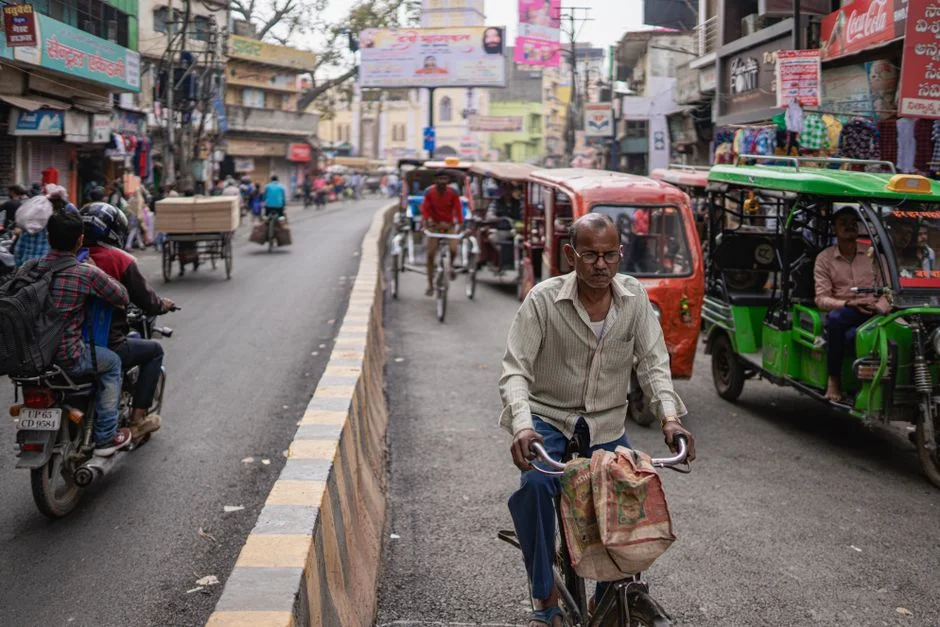
Agarwal called the current environment "unsustainable" for traditional businesses. He stressed that many shop owners had operated family enterprises for generations, only to find their customer base shrinking month by month. The Manch is not opposed to e-commerce itself, but rather to what it views as an uneven regulatory landscape that favours large platforms. We are asking for a level playing field, Agarwal stated. The group wants faster clearance of pending policy recommendations and clearer guidelines on marketplace operations.
The Rise of Quick-Commerce
Quick-commerce services have grown explosively over the past three years. Major platforms now offer delivery windows as narrow as 10 to 20 minutes for groceries, household items, and other essentials. Industry analysts estimate the segment has attracted billions of dollars in investment. For traditional retailers, this represents a direct challenge to their core business model. Where a neighbourhood general store once served as the default option for nearby residents, same-hour delivery apps now compete for the same customers.
The Manch argues that quick-commerce companies benefit from regulatory exemptions that traditional shops cannot access. Warehouses located outside commercial zones, aggressive pricing strategies subsidised by venture capital, and the classification of delivery riders as contractors rather than employees all contribute to a cost structure impossible for small retailers to match. Agarwal said these advantages amount to indirect state support for a business model that undercuts domestic trade.
Policy Demands and Government Response


The Swadeshi Vyapar Manch has submitted a formal memorandum to the Ministry of Consumer Affairs listing seven specific requests. These include stricter enforcement of inventory sourcing rules for marketplace platforms, a dedicated fund for digital upgradation of small shops, and review of tax treatment for quick-commerce warehouses operating in residential areas. The group also wants mandatory representation of traditional trader associations on e-commerce policy committees.
The ministry has acknowledged receipt of the memorandum but has not yet announced a timeline for response. Government officials have previously indicated sympathy for traditional retail concerns while stopping short of endorsing measures that might slow digital commerce growth. A spokesperson noted that any policy changes would need to balance multiple stakeholder interests. The ministry is expected to hold consultations with both trader groups and e-commerce companies before any decisions are made.
Industry Reactions
E-commerce companies have rejected the characterisation of their business practices as unfair. Industry representatives argue that online platforms have created new income opportunities for millions, including kirana shops that partner with aggregators for last-mile delivery. A spokesperson for a major e-commerce body said digital commerce had actually helped small businesses reach customers beyond their immediate neighbourhood. The sector employs millions of Indians directly and indirectly, the spokesperson added.
Consumer advocates have urged caution against overly restrictive policies that could limit choice or increase prices. Not all observers agree that traditional retailers require the kind of protection the Manch is seeking. Some analysts point to evidence that many shoppers use both online and physical stores depending on their needs. The market will eventually reach an equilibrium, one trade analyst noted, though the transition may be painful for those unable to adapt.
What Comes Next
The Manch has announced a national convention scheduled to take place in Lucknow within the next two months, bringing together trader representatives from more than 50 cities. The event aims to present a unified set of demands and demonstrate the scale of concern among traditional retailers. Agarwal said the convention would mark the beginning of a sustained campaign if the government failed to act. We have been patient, but patience has limits, he told reporters.
Policymakers will be watching closely. Any measures that restrict quick-commerce operations could face legal challenges from the platforms involved. International trade obligations may also constrain how the government can differentiate between domestic and foreign e-commerce operators. The outcome of upcoming ministry consultations will determine whether the Manch's demands gain traction or fade into familiar bureaucratic processes.
See Also
- South Africa's Waste Crisis Forces Major Reforms — and Economic Concerns Rise
- Judge Clears Akkerland of Press Code Violations
What is the latest news about manohar agarwal demands government protection as ecommerce threatens traditional traders?
Why does this matter for economy-business?
What are the key facts about manohar agarwal demands government protection as ecommerce threatens traditional traders?