The South African Jewish Board of Deputies (SAJBD) has taken a bold stance against the policies implemented by Israeli Security Minister Itamar Ben Gvir. In a recent statement, the SAJBD accused Ben Gvir of undermining prospects for peace in the region, emphasising that mere expressions of sympathy do not equate to genuine solidarity with Palestinians.
SAJBD's Statement on Israeli Policies
The SAJBD's remarks follow a series of controversial measures introduced by Ben Gvir, which critics argue exacerbate tensions in the Israeli-Palestinian conflict. According to reports, the minister has prioritised security measures that disproportionately affect Palestinian communities, intensifying calls for a reassessment of Israeli policies toward Palestinians.

SAJBD President, effectively representing the Jewish community's voice in South Africa, stated, "True solidarity involves advocating for justice and human rights rather than merely offering condolences. The political rhetoric must translate into actionable support for peace initiatives in the region." This position reflects a broader trend among various organisations striving for a balanced approach to the complex situation in Israel and the Palestinian territories.
The Context of Tensions
The Israeli-Palestinian conflict has been a longstanding issue, dating back over 70 years. Recent escalations in violence and political rhetoric have reignited debates around human rights and the need for a fair resolution. In 2021, there were over 100 violent incidents reported in East Jerusalem alone, highlighting the ongoing strife.
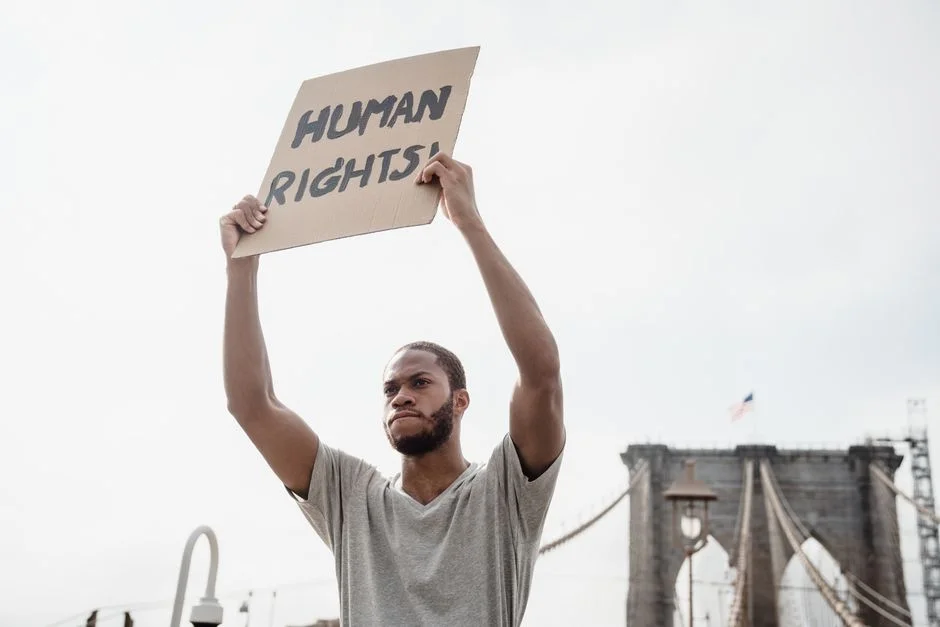
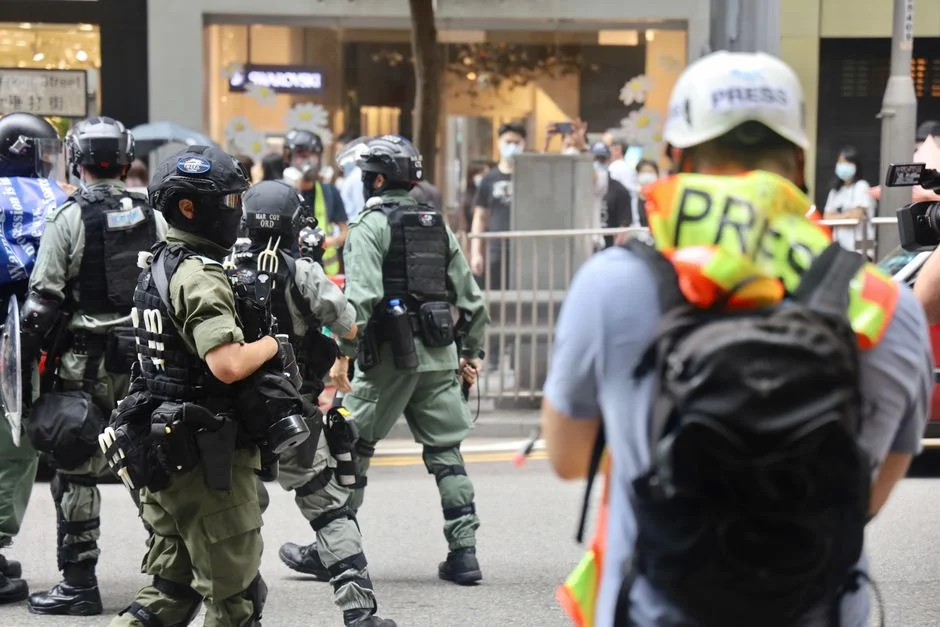
Ben Gvir's recent policies, including increased security forces in sensitive areas and restrictions on Palestinian movement, have raised alarms internationally. Human rights organisations have documented these actions as being detrimental to the peace process, often labelling them as forms of oppression against Palestinian civilians.
Calls for Action from the Global Community


In light of these developments, the SAJBD calls for global leaders, especially from the United States, to adopt a more proactive stance in addressing the root causes of the conflict. They argue that rhetorical gestures are insufficient and urge the international community to apply diplomatic pressure on Israel to pursue equitable solutions.
A prominent voice in this conversation is the United Nations, which has consistently advocated for peace talks based on mutual respect and understanding. In previous statements, UN representatives have urged both parties to avoid escalatory rhetoric and seek constructive dialogue.
The Role of the United States
The United States has historically played a significant role in the Israeli-Palestinian peace process, often acting as a mediator. However, the recent shift in U.S. foreign policy under the current administration has prompted questions about its effectiveness. A recent poll indicated that 56% of Americans believe the U.S. should take a more balanced approach towards Israel and the Palestinians.
Critics of U.S. foreign policy argue that unconditional support for Israel can undermine its credibility as a mediator. They emphasise the need for the U.S. to support human rights and equitable treatment for all parties involved.
Public Sentiment in South Africa
The statement from the SAJBD has resonated with many South Africans who advocate for Palestinian rights. Activist groups within the country have been vocal about the need for solidarity that goes beyond superficial expressions. A recent survey found that 74% of South Africans support stronger action against perceived injustices faced by Palestinians.
This public sentiment has prompted various civil society groups to organise rallies and campaigns aimed at raising awareness of the Palestinian plight, showcasing a growing solidarity movement within South Africa.
Looking Ahead: What’s Next?
As the situation evolves, the SAJBD's stance may influence how other Jewish communities worldwide respond to Israeli policies. There are increasing calls for discussions on how to advocate for Palestinian rights while maintaining a commitment to peace.
Observers will be watching for any changes in the Israeli government's approach, especially in light of international pressure. Upcoming talks scheduled for next month may provide a platform for dialogue, although skepticism remains high regarding their outcomes.
See Also
- Iran Conflict Triggers US Inflation Surge to 3.8%
- South Africa's Labour Minister Proposes Major Changes to Employment Act for Foreign Workers
should take a more balanced approach towards Israel and the Palestinians.Critics of U.S. See AlsoIran Conflict Triggers US Inflation Surge to 3.8%South Africa's Labour Minister Proposes Major Changes to Employment Act for Foreign Workers
What is the latest news about south african jewish board of deputies challenges israeli minister itamar ben gvirs actions?
Why does this matter for politics-governance?
What are the key facts about south african jewish board of deputies challenges israeli minister itamar ben gvirs actions?