NASA has initiated a competitive effort to develop gym equipment tailored for astronauts who will venture to Mars and beyond. The need for such equipment arises from the significant muscle and bone loss experienced by astronauts in microgravity environments. With a potential Mars mission targeted for the 2030s, the space agency announced this initiative on October 15, 2023, emphasizing its importance for long-duration space travel.
The Importance of Fitness in Space
Astronauts aboard the International Space Station (ISS) typically lose about 1 to 2 percent of their muscle mass each week due to the lack of gravity. This loss poses serious health risks for astronauts, including decreased strength, balance issues, and a higher likelihood of injury. NASA has previously used standard gym equipment like treadmills and stationary bikes, but these have proven inadequate for the unique challenges of living in space.
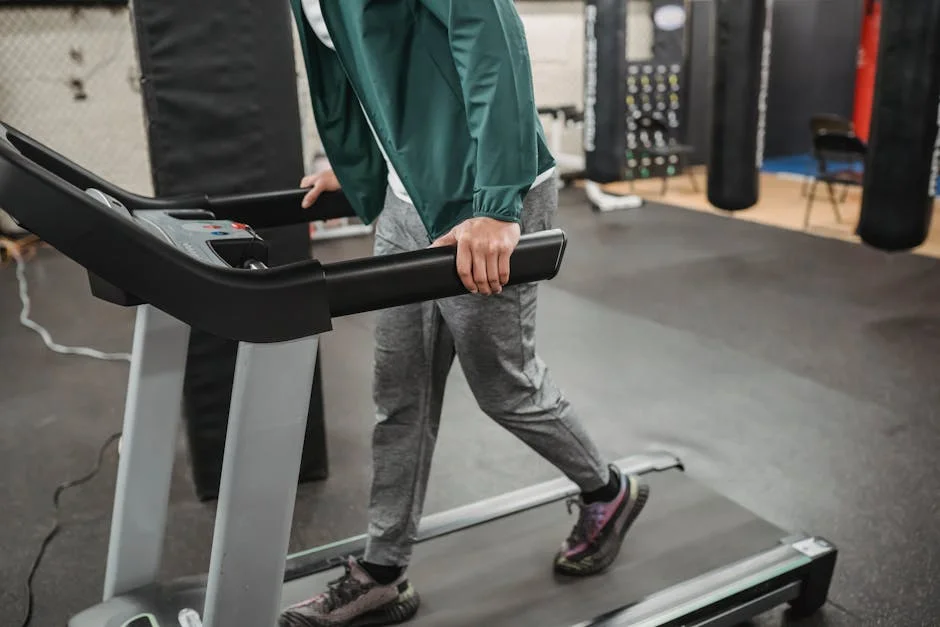
To combat these issues, scientists are exploring advanced concepts for exercise equipment that would function effectively in microgravity. NASA’s fitness initiative aims to create innovative solutions that are not only effective in maintaining astronauts' health but are also compact and easily usable in the limited space of spacecraft.
Key Players in the Space Fitness Race
Several private companies have entered this competitive landscape alongside NASA. Among them, the Massachusetts-based company, Exercise Research Associates, has begun designing a weightlifting machine that could simulate resistance training in microgravity. Meanwhile, Texas-based company, Aurora Flight Sciences, is developing a system that utilises elastic bands to mimic weightlifting.
Additionally, the University of California, San Diego is working on a prototype that combines both cardio and strength training in a single apparatus. These initiatives underline a collaborative approach between governmental and private sectors to innovate fitness solutions tailored for astronauts.
The Challenges of Space Exercise


Creating effective gym equipment for space is fraught with challenges. The equipment must be lightweight, compact, and effective in promoting muscle retention. Moreover, the maintenance of these machines in a space environment, where repairs are complicated, poses a significant hurdle that needs addressing.
Potential Health Implications
Ensuring astronauts maintain their health throughout missions is paramount. Doctors emphasize that countermeasures against muscle atrophy and bone density loss are critical for long-duration missions. The equipment's design will need to focus not only on physical exercise but also on psychological well-being, as astronauts will be isolated in confined environments for extended periods.
Funding and Future Steps
Nasa has allocated a budget of $10 million to support the development of these innovative exercise technologies. The agency plans to host a series of challenges where companies and researchers can submit their prototypes. Winning designs may receive additional funding for further development and testing.
The first round of submissions is expected to be evaluated by the end of 2024, with successful projects moving on to prototype testing in 2025. This timeline is critical as NASA prepares for its Artemis missions, which aim to return humans to the Moon and establish a permanent presence there as a precursor to Mars exploration.
Looking Ahead: The Next Phase
The push for specialized gym equipment for astronauts represents a significant investment in the future of space exploration. As competition intensifies, scientists and engineers will likely accelerate their efforts to produce viable solutions. Following the upcoming evaluations, further developments will be crucial in shaping the future of human space travel and ensuring astronauts can remain healthy during their journeys.
See Also
- ANC Misses Phala Phala Deadline As Ghanaian Exodus Begins
- David Attenborough Reveals How South England Shaped His Legacy
This timeline is critical as NASA prepares for its Artemis missions, which aim to return humans to the Moon and establish a permanent presence there as a precursor to Mars exploration.Looking Ahead: The Next PhaseThe push for specialized gym equipment for astronauts represents a significant investment in the future of space exploration. Moreover, the maintenance of these machines in a space environment, where repairs are complicated, poses a significant hurdle that needs addressing.Potential Health ImplicationsEnsuring astronauts maintain their health throughout missions is paramount.