As Ebola cases surge in Sierra Leone, the health system faces overwhelming challenges. Since the outbreak's resurgence last month, the country has reported over 300 confirmed cases, triggering alarms among health officials and international observers.
Current Situation in Sierra Leone
On Wednesday, the health ministry reported that the number of active Ebola cases reached a record level, with the capital city, Freetown, bearing the brunt of the crisis. Hospitals are overwhelmed, and many patients are unable to receive adequate care. The World Health Organization (WHO) has issued warnings that the virus is spreading faster than previous outbreaks.
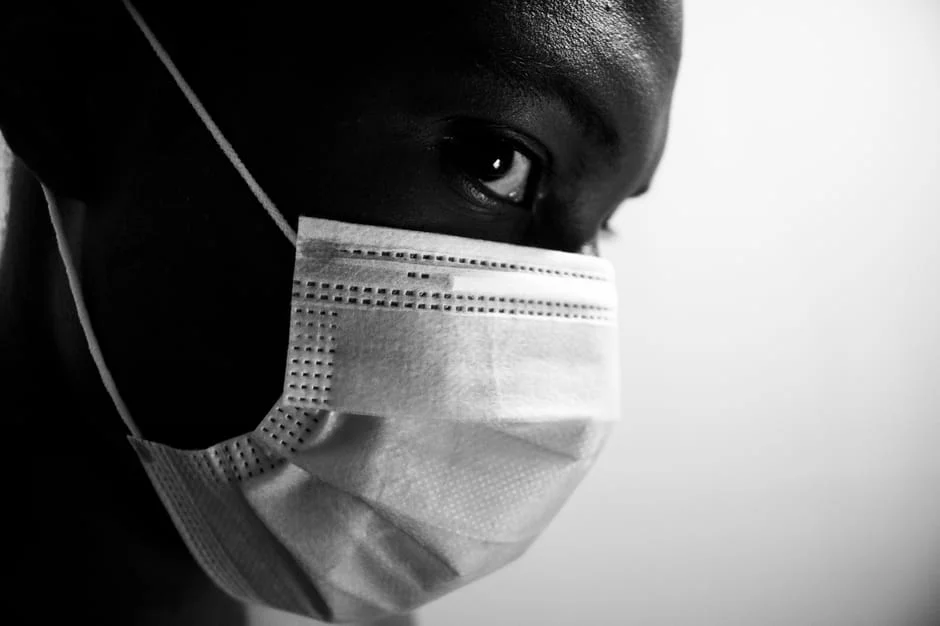
Sierra Leone's Ministry of Health has stated that the situation is dire, with health workers expressing fears for their safety as they continue to treat infected individuals. A local doctor, Dr. Aminata Bangura, reported that many facilities lack the necessary resources to manage the rising patient load. "We are doing our best, but it feels like we are fighting a losing battle," she said.
Why This Matters
The current outbreak is significant as it follows the devastating epidemic of 2014-2016, which claimed over 11,000 lives across West Africa. The resurgence comes at a time when the country is still recovering from its previous health crises, and the international community is concerned that this may lead to another widespread disaster.
The rapid increase in cases poses not just a health risk but also threatens to destabilize the already fragile economy of Sierra Leone. Reports indicate that local businesses are closing down as fear grips the population and travel restrictions are imposed.
Response and Measures Taken

The government has initiated a campaign to educate citizens about the virus and preventive measures, but the implementation has faced several hurdles. Limited funding and inadequate infrastructure hinder the government's response, leaving health officials scrambling for support.
International aid has started to trickle in, with organizations like Médecins Sans Frontières pledging assistance in controlling the outbreak. However, officials note that immediate action is necessary to prevent further spread. The WHO has called for more resources and support from the global community.
Community Impact
The impact of the outbreak extends beyond health concerns. Families are facing high levels of stress and anxiety, with many losing loved ones to the virus. Community leaders are urging residents to remain vigilant and adhere to safety protocols.
Local businesses have reported a sharp decline in consumer activity as people remain cautious about engaging with public spaces. Many fear that the outbreak could lead to a prolonged economic downturn, further complicating efforts for recovery.
What to Watch Next
Health officials are preparing for the possibility of an extended outbreak, with projections indicating that cases could continue to rise if swift action isn't taken. Increased international cooperation and funding will be critical in the coming weeks.
The Sierra Leonean government has scheduled a meeting with international health partners next week to discuss coordinated strategies to combat the outbreak. It remains to be seen how effective these measures will be in curtailing the virus's advance and restoring public confidence.
See Also
- South Africa Deploys Forces to Battle Ebola Surge in West Africa
- Paul George Faces $400m Gamble — Can Game 7 Erase the Shadow?