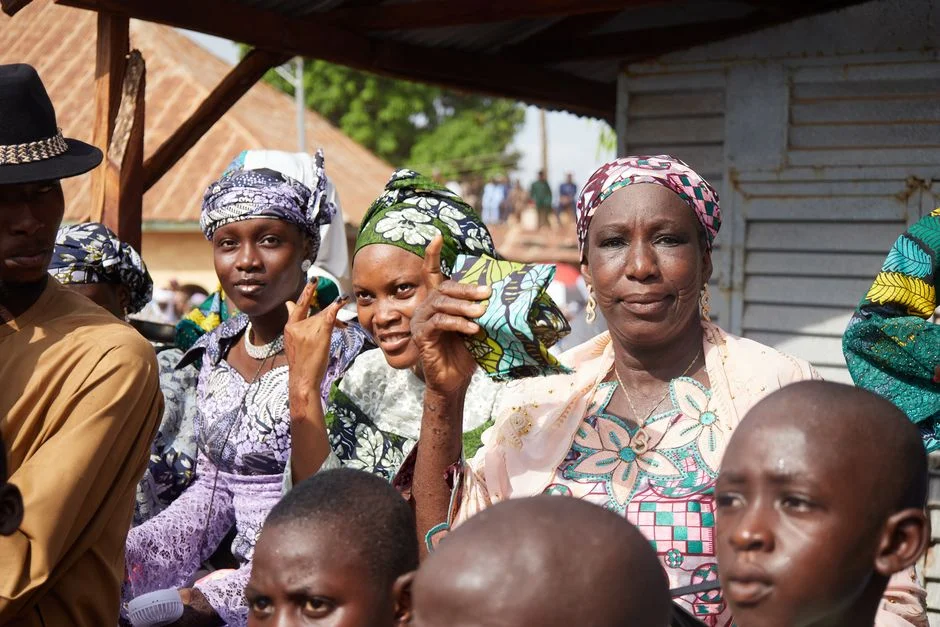
The New Nigeria Peoples Party (NNPP) announced on Thursday that it will not field a presidential candidate for the 2027 elections, signalling a potential shift in Nigeria's political landscape. The party's decision could reshape the dynamics of the upcoming elections and opens the door for alliances with other political entities.
Context of the Announcement
The NNPP, led by its national leader, Rabiu Kwankwaso, has been a significant player in Nigeria's political scene since its inception. The announcement comes as political parties gear up for the next elections scheduled for February 2027. The NNPP's decision is particularly noteworthy given its previous participation in the 2023 elections, where it emerged as a third force in Nigeria's political landscape.
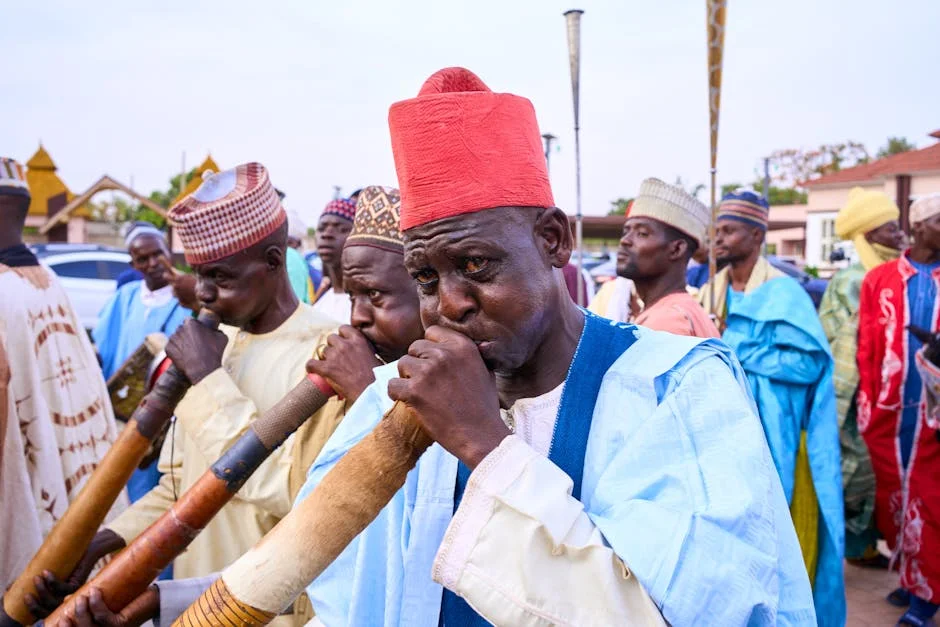
Mohammed, the party's spokesperson, stated that the NNPP is committed to exploring alliances that could strengthen its influence. This strategy reflects broader trends in Nigerian politics, where coalition-building becomes essential as parties seek to enhance their electoral prospects.
What This Means for Nigerian Politics
The NNPP's choice not to field a candidate raises questions about the party's strategy going forward. By not participating directly, the NNPP may avoid the risks associated with a losing campaign, particularly in a country where voter turnout can be unpredictable. Instead, the focus on alliances may enable the NNPP to influence the electoral process from a different angle.
This opens up opportunities for collaboration with other political groups, especially those seeking alternatives to the dominant parties, the All Progressives Congress (APC) and the People's Democratic Party (PDP). Such alliances could potentially reshape Nigeria's political landscape leading up to the elections.
Challenges Ahead for the NNPP


Despite this strategic pivot, the NNPP faces challenges in ensuring that any alliances are beneficial. The political landscape in Nigeria is often characterized by fragmentation and competition, making it crucial for the NNPP to align with partners that bolster its position rather than undermine it.
The NNPP must also consider the regional dynamics at play, particularly as different areas of Nigeria often lean toward specific parties. Building a coalition across diverse regions will be essential for the NNPP to gain a foothold in the electoral process.
Voter Sentiment and Upcoming Elections
Recent surveys indicate a growing disillusionment with the traditional political parties among Nigerian voters, with many seeking fresh alternatives. The NNPP’s strategy could resonate with this sentiment, especially among younger voters who are increasingly engaged on social media and demand change.
As the election date approaches, voter sentiment will play a significant role in shaping the success of any alliances formed. The NNPP's ability to communicate its vision through partnerships will be critical in galvanizing support.
Looking Forward: Key Dates and What to Watch
The 2027 presidential elections in Nigeria are set for February 25, 2027. As the NNPP moves forward with its strategy of forming alliances, observers will be keen to monitor which parties they choose to collaborate with. Political meetings and discussions are likely to intensify as the deadline approaches.
In the coming months, the NNPP’s effectiveness in establishing these alliances will become clearer, potentially altering the electoral calculus in Nigeria. Voters will be watching closely to see how these partnerships shape the political landscape.
See Also
- The Enduring Sound of Prabhoo Khelawan: Remembering a Musical Pioneer
- FIFA Confirms New VAR Technology Set to Transform 2026 World Cup Match Outcomes
The NNPP's ability to communicate its vision through partnerships will be critical in galvanizing support.Looking Forward: Key Dates and What to WatchThe 2027 presidential elections in Nigeria are set for February 25, 2027. Building a coalition across diverse regions will be essential for the NNPP to gain a foothold in the electoral process.Voter Sentiment and Upcoming ElectionsRecent surveys indicate a growing disillusionment with the traditional political parties among Nigerian voters, with many seeking fresh alternatives.