A nonprofit supported by Warren Buffett is urging local communities to harness tourism opportunities to aid white rhino conservation efforts in South Africa. African Parks, which manages several protected areas across the continent, has recently intensified its focus on increasing local tourism to support its conservation initiatives.
What African Parks Is Doing
African Parks has taken over management of the 38,000-hectare Addo Elephant National Park in the Eastern Cape, where the white rhino population is at risk. The organization aims to leverage this park's unique wildlife to attract both local and international tourists.
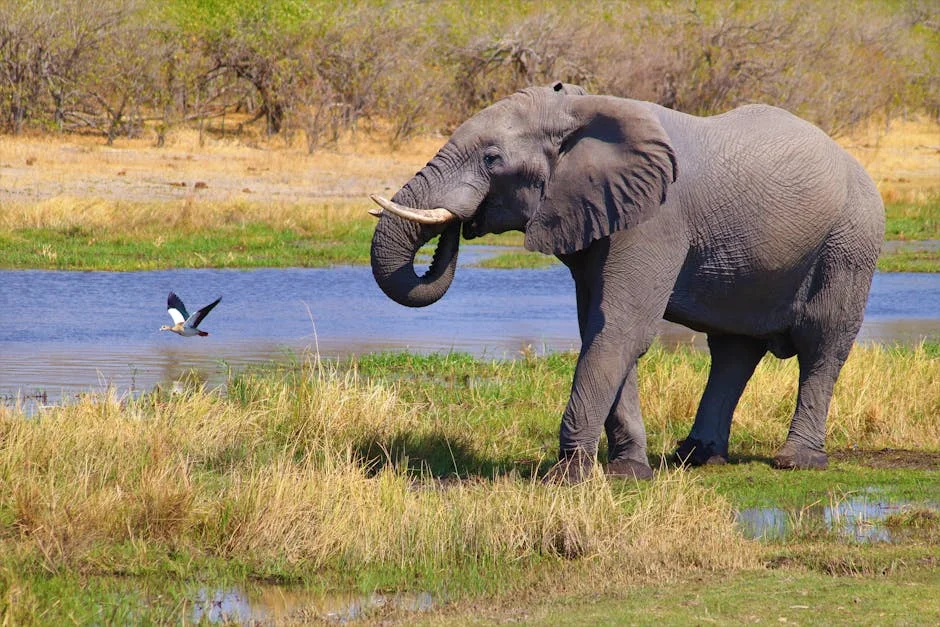
The nonprofit reported that it has invested over $5 million in conservation projects over the past year alone. By creating jobs and fostering community partnerships, African Parks believes that sustainable tourism can provide the necessary funding to protect these endangered animals.
The Importance of Local Tourism
Highlighting the crucial role of local tourism, African Parks officials stated that the influx of visitors can significantly boost the economy in nearby communities. In areas where poaching has devastated wildlife, the organization is advocating for local entrepreneurs to engage in eco-tourism.
This approach not only allows communities to benefit economically but also instills a sense of ownership and responsibility for conservation efforts. By involving locals directly, African Parks aims to combat poaching effectively.
Current Challenges Facing White Rhinos


The white rhino population, once numbering over 100,000 in the early 20th century, has dwindled to approximately 18,000 today, primarily due to poaching. The horns, which can fetch up to $60,000 per kilogram on the black market, remain a significant threat to their survival.
Despite ongoing conservation efforts, pressure from illegal poaching continues to rise. African Parks has noted an increase in poaching attempts near Addo Elephant National Park, underscoring the urgent need for enhanced community engagement and tourism development.
Buffett's Influence on Conservation
Warren Buffett, one of the richest individuals globally, is known for his philanthropic efforts, particularly in areas of education and conservation. His backing of African Parks has brought notable financial support and exposure to wildlife preservation efforts across Africa.
Buffett’s commitment to conservation aligns with his overall philanthropic vision, which emphasizes the importance of preserving natural resources for future generations. As a leading figure in philanthropy, his involvement draws significant attention to conservation projects like those of African Parks.
Looking Ahead for African Parks
As African Parks continues to implement its local tourism strategy, officials plan to roll out several eco-tourism projects by the end of 2024. These initiatives aim to generate revenue for conservation while providing new job opportunities in communities surrounding protected areas.
Future collaborations with local governments, NGOs, and businesses are set to enhance these projects, highlighting the interconnectedness of wildlife conservation and local economies.
Conclusion
What remains to be seen is how effective these strategies will be in reversing the decline of white rhinos. With community involvement at the forefront, African Parks hopes to demonstrate that sustainable tourism can be a powerful tool in wildlife conservation. The next few years will be crucial for both the white rhino population and the South African communities that depend on them.
See Also
- Kamal Singh Sent to Police Custody as Farooq Abdullah Case Advances - Medical Exam Ordered
- Hospital Delays Meningitis Alert Amid Public Health Crisis
What is the latest news about buffettbacked african parks aims to boost local tourism for white rhinos?
Why does this matter for health-medicine?
What are the key facts about buffettbacked african parks aims to boost local tourism for white rhinos?