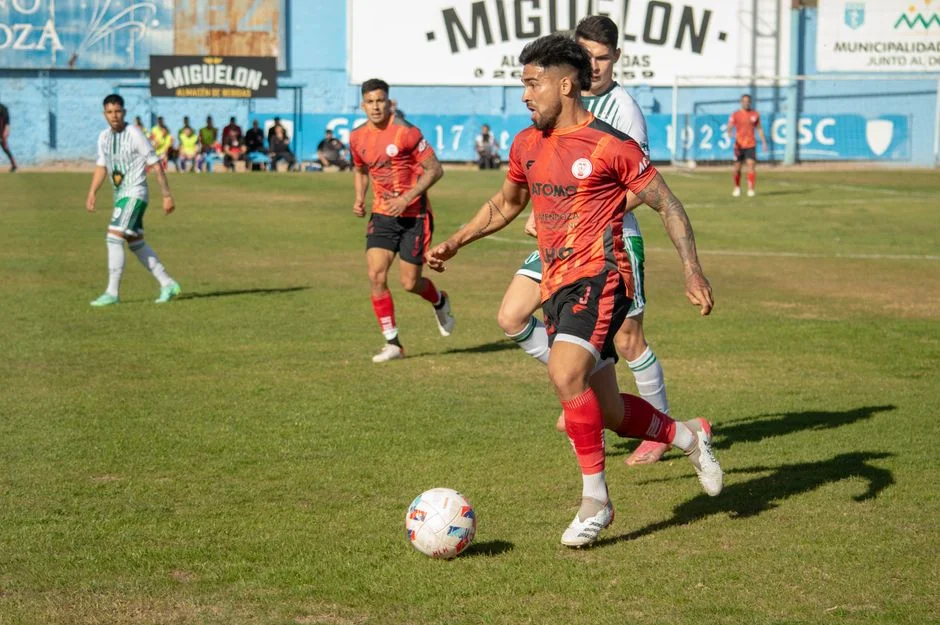
The Football Federation of the Democratic Republic of Congo (FEDAC) has ordered its national team players to isolate in Kinshasa ahead of their historic debut at the 2026 World Cup. This decision comes after a sudden surge in Ebola cases in the eastern province of North Kivu, raising urgent questions about squad availability and logistical security. The outbreak threatens to disrupt the team’s preparation for matches scheduled to take place in North America later this year.
Outbreak Details and Immediate Response
Health officials confirmed that the current wave of infections is driven by the Zaire ebolavirus, the most common strain responsible for major outbreaks in the region. The Ministry of Public Health in the Democratic Republic of Congo reported a steady increase in positive tests over the last three weeks. This rapid spread has forced the federation to act quickly to protect the athletes. The players are currently staying in a hotel in Kinshasa, which is roughly 1,600 kilometers away from the epicenter of the outbreak.
The federation announced that the squad would remain in a semi-quarantine state until further notice. Medical staff are monitoring the players for symptoms such as fever, severe headache, and muscle pain. This isolation protocol is designed to prevent any potential cases from spreading within the team. The decision reflects the high stakes involved in the team’s first-ever appearance on the global stage.
Medical Protocols for the Squad
Doctors have implemented strict hygiene and monitoring routines for the 26-man squad. Each player undergoes daily temperature checks and blood tests to detect the virus early. The medical team has also coordinated with the World Health Organization to ensure that the treatment protocols align with international standards. These measures are critical given the rapid progression of the disease.
The isolation period is expected to last for at least ten days, depending on the test results. If a player contracts the virus, they will be moved to a specialized treatment center in Kinshasa. The federation has stated that no player will be forced to travel to the United States or Canada unless they are cleared by the medical board. This cautious approach aims to balance health safety with competitive readiness.
Why This Matters for the World Cup
The Democratic Republic of Congo has qualified for the 2026 World Cup for the first time in its history. This achievement represents years of investment in youth academies and professional leagues across the country. An outbreak of Ebola could derail these efforts by forcing key players to sit out or even return home. The team’s morale and physical condition are directly tied to the health situation in the east.
The World Cup will be hosted jointly by the United States, Canada, and Mexico. The DRC squad is scheduled to play their group stage matches in Atlanta, Georgia. Traveling from Kinshasa to Atlanta requires a long-haul flight and several connecting stops. Any disruption to the team’s health could complicate these travel arrangements significantly. The federation is working closely with FIFA to manage potential delays.
For the United States, hosting a World Cup match involving a team from an active Ebola zone presents logistical challenges. Immigration and customs officials must ensure that incoming players do not carry the virus into the country. The Centers for Disease Control and Prevention has outlined specific entry requirements for travelers from the DRC. These measures include health declarations and potential screening at the port of entry.
Ebola Explained: The Virus and Its Spread

Ebola is a rare but deadly infectious disease that often occurs in outbreaks in tropical regions of sub-Saharan Africa. The virus is transmitted through direct contact with the blood, secretions, organs, or other bodily fluids of infected people. It can also spread through contact with surfaces and materials contaminated with these fluids. The incubation period ranges from two to 21 days, during which time an infected person may show no symptoms.
The Zaire ebolavirus strain is known for its high case fatality rate, which can reach up to 90% in some outbreaks. Symptoms typically begin with sudden onset of fever, fatigue, and muscle pain. This is followed by vomiting, diarrhea, rash, impaired kidney and liver function, and in some cases, both internal and external bleeding. Early supportive care, particularly with intravenous fluids and oral rehydration, significantly improves survival rates.
The current outbreak in North Kivu is complicated by ongoing conflict in the region. Armed groups often disrupt healthcare services and vaccine distribution efforts. This makes it difficult for health workers to reach remote villages where the virus spreads. The Democratic Republic of Congo has faced multiple Ebola outbreaks over the past two decades, each presenting unique challenges for containment.
Vaccination Efforts in the Region
Health workers are using the rVSV-ZEBOV vaccine, which has proven effective in previous outbreaks. The vaccination campaign focuses on ring vaccination, where contacts of infected patients and their contacts are vaccinated to create a protective barrier. This strategy has been crucial in slowing the spread of the virus in previous waves. However, the current conflict in North Kivu has slowed down the vaccination drive.
The World Health Organization has deployed additional teams to support the local efforts. These teams are working to establish treatment centers and isolate suspected cases. The vaccine is also being administered to the DRC national team players as a preventive measure. This proactive step aims to reduce the risk of infection during the isolation period and the subsequent travel to the World Cup.
Impact on the United States and Canada
The presence of the DRC team at the World Cup raises questions about the potential impact on the United States and Canada. While the risk of widespread transmission in North America is considered low, health officials are monitoring the situation closely. The Centers for Disease Control and Prevention has advised travelers from the DRC to take precautions and seek medical attention if symptoms develop.
The United States has a robust healthcare system capable of handling Ebola cases, but the logistics of isolating patients and tracing contacts can be resource-intensive. Hospitals in Atlanta and other host cities are preparing for the arrival of the DRC squad. They have set up designated isolation rooms and trained medical staff to manage potential cases. This preparation is part of a broader strategy to ensure the safety of players, officials, and fans.
Canada, which will also host World Cup matches, has implemented similar measures. The Public Health Agency of Canada has updated its entry requirements for travelers from the DRC. These requirements include a health declaration and the possibility of being screened at the border. The goal is to prevent the introduction of the virus into the country while minimizing disruption to the tournament.
Travel and Logistics Challenges
The DRC team’s travel to the United States involves a complex logistical operation. The players will likely fly from Kinshasa to a major hub in Europe or the Middle East before connecting to Atlanta. This multi-leg journey increases the exposure time and potential for contact with other travelers. The federation is considering chartering a private flight to reduce these risks. This option would allow for greater control over the environment and health monitoring during the trip.
Immigration and customs officials at Hartsfield-Jackson Atlanta International Airport are preparing for the team’s arrival. They have coordinated with the local health department to ensure a smooth and efficient screening process. The team will be required to present health certificates and undergo temperature checks upon arrival. Any player showing symptoms will be isolated and tested immediately.
Political and Social Reactions
The decision to isolate the team has sparked a mix of relief and frustration among fans and politicians. Many Congolese citizens view the World Cup qualification as a source of national pride and unity. The outbreak threatens to overshadow this achievement by introducing uncertainty and fear. Political leaders in Kinshasa have called for increased funding for healthcare infrastructure to better handle future outbreaks.
Criticisms have been directed at the Ministry of Public Health for what some perceive as a slow response to the initial cases. Opposition leaders argue that more could have been done to contain the virus before it reached the capital. The federation has defended its decision, stating that the health of the players is the top priority. They have emphasized that the isolation is a temporary measure and that the team is in good shape.
International reactions have been largely supportive. FIFA has praised the federation for taking a proactive approach to the health crisis. The organization has offered technical assistance and financial support to help manage the outbreak. This collaboration highlights the global nature of the World Cup and the interconnectedness of the host nations and participating teams.
What to Watch Next
The next few weeks will be critical in determining the impact of the Ebola outbreak on the DRC team’s World Cup campaign. The federation will announce the final squad list and travel dates by late July 2026. Fans and analysts should monitor the health reports from Kinshasa and North Kivu for any new developments. The outcome of this situation will serve as a test case for managing health crises during major international sporting events.
Travelers to the United States and Canada should also pay attention to updates from the Centers for Disease Control and Prevention. The agency will provide regular guidance on the risk level and recommended precautions. As the World Cup approaches, the focus will shift to the team’s performance on the pitch, but the shadow of Ebola will remain a significant factor in the background. The coming days will reveal whether the DRC can overcome this challenge and deliver a memorable debut.
See Also
- US Health Authorities Revise Prostate Cancer Screening Guidelines — What to Know
- US Slams Ebola Borders Shut as Congo Outbreak Intensifies
What to Watch Next The next few weeks will be critical in determining the impact of the Ebola outbreak on the DRC team’s World Cup campaign. Impact on the United States and Canada The presence of the DRC team at the World Cup raises questions about the potential impact on the United States and Canada.
What is the latest news about drc slams ebola outbreak before world cup debut what changes?
Why does this matter for health-medicine?
What are the key facts about drc slams ebola outbreak before world cup debut what changes?