Mopani Local Municipality has deployed six new rescue vehicles to its cemetery operations in Limpopo Province, marking a decisive shift in how the region manages burial grounds. Mayor Pule Frelimo Shayi announced the move to transform these sites from passive resting places into actively managed facilities. The initiative aims to reduce response times during emergencies and improve overall safety standards for visitors and staff alike.
This development addresses long-standing complaints about the condition of public cemeteries in the area. Residents have frequently described these spaces as underutilized or poorly maintained. The introduction of dedicated rescue units signals a new level of operational readiness. It also reflects a broader strategy to professionalize municipal services in South Africa’s northern province.
Mopani Unveils New Fleet for Cemetery Operations
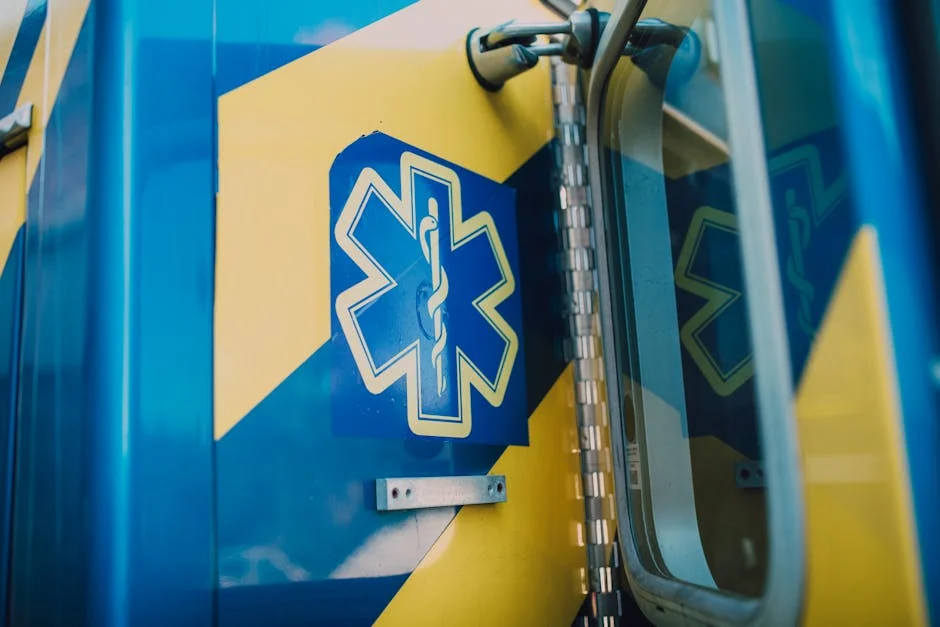
The municipality has officially added six specialized rescue vehicles to its fleet. These vehicles are now stationed at key cemetery locations across the Mopani area. Each unit is equipped to handle medical emergencies, minor accidents, and logistical challenges. The deployment ensures that help is rarely more than a few minutes away from any burial plot.
Mayor Pule Frelimo Shayi emphasized that the new equipment changes the dynamic of cemetery management. He stated that these grounds will no longer resemble recreational parks. Instead, they will function as structured facilities with clear operational protocols. This change is designed to bring order and efficiency to a sector that has historically lacked dedicated resources.
The cost of acquiring these vehicles represents a significant investment for the local government. The municipality allocated funds specifically for this upgrade to ensure long-term sustainability. This financial commitment demonstrates a prioritization of public health and safety infrastructure. It also sets a precedent for other municipalities in the region.
Mayor Pule Frelimo Shayi Drives Local Reform
Pule Frelimo Shayi has taken a hands-on approach to municipal governance in Mopani. His leadership style focuses on tangible improvements to public services. The cemetery initiative is one example of his broader reform agenda. He aims to restore public trust by delivering visible results to constituents.
Leadership Strategy in Mopani
Shayi’s strategy involves identifying critical pain points in municipal service delivery. Cemeteries were identified as a sector needing urgent attention. The mayor worked with local officials to secure funding and coordinate the rollout. This collaborative approach has accelerated the implementation of the new rescue services.
His actions have drawn attention from local media and community leaders. Many residents view this move as a sign of renewed commitment to public welfare. The mayor’s focus on specific, actionable projects helps to build momentum for further reforms. It also provides a model for addressing other municipal challenges.
Cemeteries in Limpopo Face New Standards

Limpopo Province is home to numerous public cemeteries that serve diverse communities. Many of these sites have struggled with maintenance and staffing issues. The new rescue vehicles in Mopani aim to set a higher standard for the entire province. Other local governments may look to Mopani as a benchmark for improvement.
The transformation of these spaces requires more than just vehicles. It involves training staff, updating protocols, and engaging with local families. The municipality has begun these preparatory steps to ensure a smooth transition. This holistic approach ensures that the new resources are used effectively.
Community feedback has been largely positive so far. Residents appreciate the increased visibility of municipal services. The presence of rescue vehicles provides a sense of security for those visiting graves. This psychological benefit is an important aspect of the overall improvement plan.
Why This Matters for Local Communities
Access to safe and well-maintained cemeteries is a basic civic need. In many parts of South Africa, these facilities are often neglected. The situation in Mopani highlights the importance of proactive municipal management. It shows how targeted investments can yield immediate benefits for residents.
The new rescue services also address specific health and safety risks. Medical emergencies can occur at any time, even in seemingly quiet environments. Having dedicated vehicles on-site reduces the reliance on distant hospital ambulances. This can be crucial in saving lives or stabilizing patients before transport.
Furthermore, the initiative supports local employment. The operation and maintenance of the new fleet require skilled personnel. The municipality has hired local drivers and technicians to fill these roles. This creates jobs and stimulates the local economy in the process.
Operational Changes in Mopani
The integration of rescue vehicles into cemetery operations involves several key steps. First, the municipality identified the most frequently visited cemeteries. These sites were chosen based on visitor numbers and historical emergency data. This data-driven approach ensures that resources are allocated where they are most needed.
Next, the municipality conducted training sessions for the new drivers. These sessions covered medical first aid, vehicle maintenance, and customer service. The goal was to create a multi-skilled workforce capable of handling various situations. This training period lasted several weeks to ensure high standards of performance.
The final step involved launching a public awareness campaign. Residents were informed about the new services and how to access them. Signage was updated at cemetery entrances to indicate the presence of rescue units. This communication strategy helps to maximize the utilization of the new resources.
Broader Implications for Municipal Governance
The success of this initiative could influence municipal policies across South Africa. Other local governments may adopt similar models for their cemetery operations. This could lead to a nationwide improvement in the quality of burial grounds. It also highlights the potential for local innovation in public service delivery.
The project also underscores the importance of inter-departmental cooperation. The cemetery initiative required coordination between health, transport, and finance departments. This collaborative model can be applied to other municipal projects. It demonstrates that siloed departments can achieve more when they work together.
Additionally, the initiative addresses environmental concerns. Properly maintained cemeteries are less likely to become breeding grounds for pests or sources of water pollution. The new rescue vehicles help to manage waste and monitor environmental conditions. This contributes to the overall ecological health of the surrounding areas.
Challenges and Future Plans
Despite the positive start, the municipality faces several challenges. Maintaining the new vehicles requires a steady stream of funding. The municipality must ensure that the budget allocation remains consistent. Fluctuations in municipal revenue could impact the long-term viability of the program.
Another challenge is ensuring that the service reaches all cemeteries. Currently, only the busiest sites have dedicated rescue vehicles. The municipality plans to expand the fleet to cover more locations. This expansion will require additional funding and logistical planning.
The municipality is also monitoring the performance of the new service. Data on response times and emergency outcomes are being collected. This information will be used to refine the operational protocols. Continuous improvement is a key component of the mayor’s reform strategy.
What to Watch Next
Residents and local officials should monitor the expansion of the rescue vehicle fleet. The municipality has indicated plans to add more units in the coming months. This expansion will likely target smaller cemeteries and rural areas. Keeping an eye on these developments will provide insight into the municipality’s long-term vision.
The impact of the new service on emergency response times will also be closely watched. The municipality plans to release initial performance data within six months. This data will help to quantify the benefits of the initiative. It will also serve as a benchmark for future municipal projects in Limpopo Province.
See Also
- Graeme Raubenheimer Launches April Feels Day to Boost Morale
- R Madhavan's Ajay Sanyal Stays in Mind After Gorefest
The impact of the new service on emergency response times will also be closely watched. Medical emergencies can occur at any time, even in seemingly quiet environments.