Patrice Motsepe has confirmed that African football authorities have successfully addressed the key deficiencies identified during the Africa Cup of Nations final preparations in Morocco. The Confederation of African Football (CAF) president outlined specific operational improvements that were implemented to ensure a seamless experience for the competing teams and fans. This announcement comes as the tournament approaches its climax, with the final match set to determine the continental champion.
The resolution of these logistical and organizational challenges is critical for maintaining the prestige of the tournament. Stakeholders across the continent have closely monitored the preparations, given the historical significance of hosting the event in North Africa. The swift action taken by the organizers signals a strong commitment to delivering a world-class sporting event.
Operational Fixes Implemented in Rabat
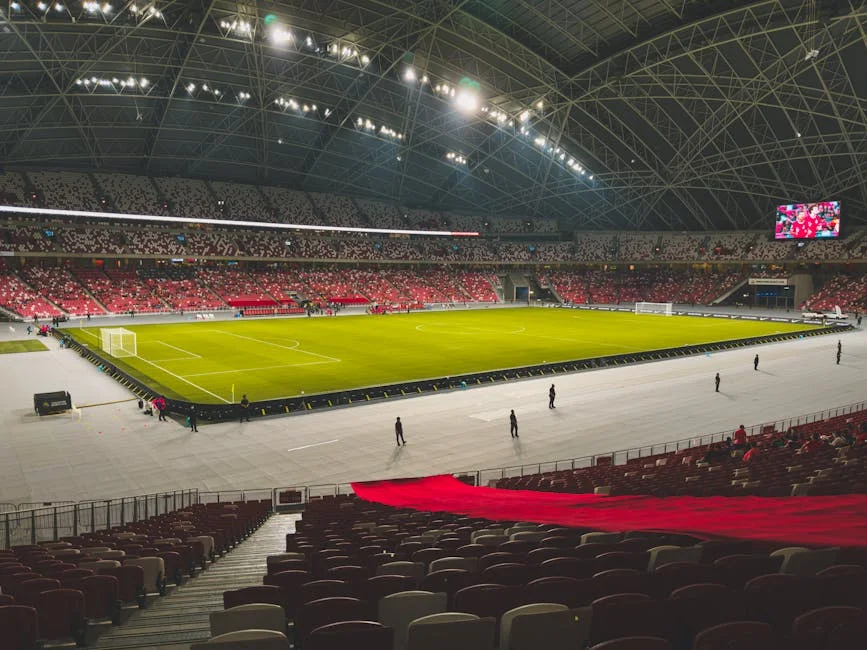
Motsepe detailed the specific measures taken to resolve issues that had previously caused concern among team managers and media outlets. The primary focus was on improving transportation logistics between the various host cities and the main stadium in Rabat. Delays in player transfers had been a recurring theme in earlier matches, prompting urgent interventions by the local organizing committee.
The authorities introduced a dedicated shuttle service for teams and officials, reducing travel times significantly. This change was particularly important for teams based in Casablanca, which needed to commute to Rabat for evening fixtures. The implementation of this system has reportedly smoothed out the scheduling conflicts that plagued the group stages.
Stadium and Accommodation Upgrades
Beyond transportation, the CAF president highlighted improvements in stadium facilities and player accommodation. The Prince Moulay Abdellah Stadium underwent final technical checks to ensure that the pitch quality met international standards. These upgrades were necessary to satisfy the technical demands of the semi-finalists, including Senegal and South Africa.
Accommodation issues for visiting delegations were also addressed through the allocation of additional hotel rooms in key areas. This move alleviated the pressure on the primary team hotels, which had seen overflow from the media and support staff. The coordination between the Moroccan Ministry of Sports and CAF officials was described as efficient and responsive.
These operational fixes demonstrate a proactive approach to problem-solving. By addressing the deficiencies before they escalated, the organizers have set a positive tone for the final match. The success of these measures will be a key indicator of the overall quality of the tournament.
Context of the Morocco Hosting Bid
Morocco was selected to host the Africa Cup of Nations after a competitive bidding process that highlighted the country's growing influence in African football. The decision to award the tournament to the North African nation was based on its modern infrastructure and strategic location. This hosting role is seen as a stepping stone for Morocco's broader ambitions in the sport, including the upcoming FIFA World Cup.
The choice of Morocco also carries political significance, as it represents a continued investment in North African football infrastructure. Previous tournaments have been hosted by nations such as Egypt, Ghana, and Cameroon, each bringing unique challenges and opportunities. Morocco's bid emphasized its ability to leverage existing facilities, reducing the need for massive new constructions.
The tournament serves as a test case for the country's organizational capabilities. Success in hosting the Africa Cup of Nations will bolster Morocco's confidence and reputation ahead of larger international events. The performance of the local committee is being closely watched by FIFA officials and potential sponsors.
Understanding what is Morocco in the context of African football requires looking at its historical contributions. The Atlas Lions have been a consistent contender on the continent, and hosting the tournament allows them to capitalize on home advantage. This dual role as both host and competitor adds an extra layer of intensity to the event.
Impact on Competing Nations


The resolution of logistical issues has a direct impact on the performance of the competing nations. Teams like Senegal, which have traveled extensively during the group stages, benefit from reduced travel fatigue. This factor can be crucial in high-stakes matches where physical conditioning plays a decisive role.
For South Africa, the improvements in Rabat mean that the Bafana Bafana can focus more on tactical preparations. The team has faced several challenges throughout the tournament, and a smooth logistical environment helps in maintaining morale. The final match will be a test of both skill and stamina, with the operational fixes providing a fair playing field.
Other nations, such as Nigeria and Ivory Coast, have also expressed satisfaction with the improved conditions. The consistency in stadium quality and accommodation standards has been praised by team captains and coaches. This positive feedback loop encourages further investment in African football infrastructure.
The implications of these fixes extend beyond the immediate tournament. A well-organized event enhances the commercial appeal of the Africa Cup of Nations. Sponsors and broadcasters are more likely to invest in a tournament that offers a reliable and high-quality product for consumers.
Political and Economic Implications
The success of the tournament has broader political and economic implications for Morocco. Hosting a major sporting event boosts the country's profile on the global stage. It demonstrates the nation's ability to manage large-scale projects and attract international attention. This visibility is valuable for tourism and foreign direct investment.
The economic benefits are also significant, with millions of dollars flowing into the local economy. Hotels, restaurants, and transportation services have seen increased demand during the tournament period. These economic gains are distributed across various regions, providing a boost to local businesses and employment opportunities.
Politically, the tournament reinforces Morocco's position as a key player in African affairs. The country has been actively engaging with other African nations through diplomatic and economic initiatives. Hosting the Africa Cup of Nations is a soft power tool that strengthens these relationships. It showcases Morocco's modernity and openness to the continent.
The alignment of sports and politics is evident in the efforts to ensure a successful event. The Moroccan government has prioritized the tournament as a national project, mobilizing resources from multiple ministries. This coordinated approach reflects the strategic importance of the event for the country's broader development goals.
Future of African Football Governance
The handling of deficiencies in this tournament sets a precedent for future governance of African football. The proactive approach taken by Motsepe and the CAF board suggests a shift towards more data-driven and responsive management. This evolution is necessary to keep pace with the growing complexity of the sport.
Investment in technology and data analytics will likely increase in the coming years. These tools can help organizers identify potential issues before they become major problems. The use of real-time feedback from teams and fans allows for quicker adjustments and improvements.
The collaboration between national associations and the continental body is also expected to deepen. Shared responsibilities and clearer communication channels will enhance the overall efficiency of tournament organization. This collaborative model can serve as a blueprint for other major events in Africa.
The lessons learned from the Morocco tournament will inform future bids and hosting strategies. Countries looking to host the Africa Cup of Nations will need to demonstrate strong operational capabilities. The success of Morocco provides a benchmark for what is achievable with careful planning and execution.
Investment in Youth Development
A key aspect of the future of African football is the investment in youth development. The tournament provides a platform for young players to showcase their talents on the continental stage. This exposure is crucial for attracting scouts and securing contracts with top European clubs.
The Moroccan hosting has also highlighted the importance of local youth academies. These institutions play a vital role in nurturing talent and feeding the national team. The success of the Atlas Lions in recent years is partly attributed to their robust youth development system.
Other African nations are looking to replicate this model to enhance their competitive edge. Investing in infrastructure and coaching at the grassroots level is essential for long-term success. The Africa Cup of Nations serves as a catalyst for these investments, driving progress across the continent.
Looking Ahead to the Final
All eyes are now on the final match, which will determine the champion of Africa. The teams have prepared extensively, and the operational fixes have created a favorable environment for a high-quality contest. Fans across the continent are eagerly anticipating the clash between the two finalists.
The outcome of the final will have implications for the upcoming World Cup qualifiers. A victory can boost the confidence and momentum of the winning team as they head into the next phase of international competition. The stakes are high, and the pressure is on for both sides to deliver a memorable performance.
Stakeholders should watch for announcements regarding the award ceremony and post-tournament reviews. These events will provide further insights into the success of the Morocco hosting. The feedback from teams, fans, and sponsors will be valuable for future planning and improvement.
The next major milestone for African football will be the announcement of the host for the following edition of the Africa Cup of Nations. This decision will likely be influenced by the performance of Morocco and the lessons learned from this tournament. Readers should monitor CAF announcements for updates on the bidding process and selection criteria.
See Also
- Trump Admits 10,000 White South Africans in Emergency Refugee Push
- Indian Airlines Demand Government Intervention as Fuel Costs Soar
This coordinated approach reflects the strategic importance of the event for the country's broader development goals. The Moroccan hosting has also highlighted the importance of local youth academies.
What is the latest news about motsepe reveals how afcon fixed final deficiencies?
Why does this matter for politics-governance?
What are the key facts about motsepe reveals how afcon fixed final deficiencies?